Gut Health Focus
Endometriosis – Does it affect the intestines?
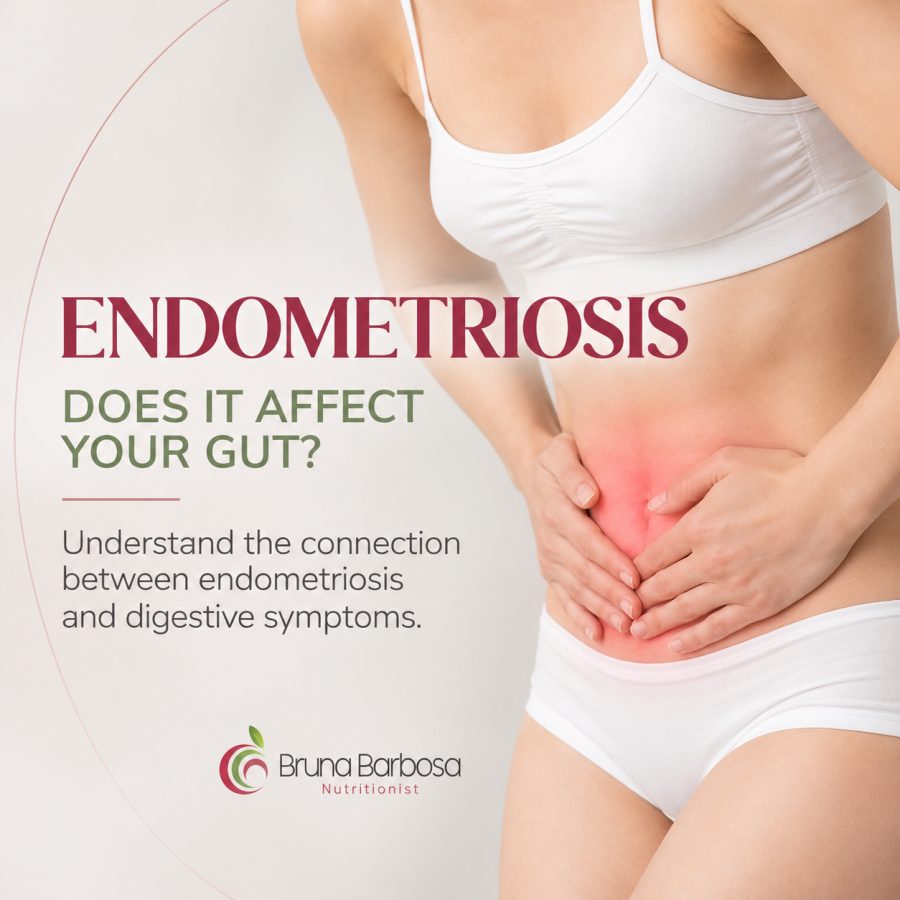
Understand the connection between endometriosis, the gut, and hormonal health. Discover dietary strategies and lifestyle changes to alleviate symptoms and improve your quality of life!
What Is Endometriosis and How Does It Affect the Body?
Endometriosis is a chronic inflammatory condition that affects millions of women worldwide. This disease occurs when tissue similar to the endometrium, which lines the uterus, grows in places outside the uterus, such as the ovaries, bladder, and intestines. This abnormal growth can cause intense pain, irregular menstrual cycles, and even difficulties in conceiving.
In addition to directly impacting gynecological health, endometriosis can have consequences in other parts of the body, especially in the intestines. The relationship between the digestive system and hormones is crucial to understanding the progression of this condition and the pathways to symptom relief.
An important aspect in the development of this condition is the role of the estroboloma, a set of intestinal bacteria that regulates estrogen metabolism. When the balance of the estroboloma is compromised, estrogen levels can increase, worsening symptoms and contributing to the progression of the disease.
The Role of the Intestine in Hormonal Health
The intestines play a crucial role in hormonal and immunological regulation, and this includes their connection to endometriosis. Studies show that approximately 25% of women suffering from this condition also present intestinal changes, such as lesions in the rectum and colon. These imbalances can result in symptoms such as abdominal distension, constipation, nausea, and pain during bowel movements, especially during the menstrual period.
The intestinal microbiota, when healthy, helps to metabolize and excrete excess estrogen. However, when there is an imbalance - known as dysbiosis - the body can reabsorb hormones that should be eliminated, increasing inflammatory levels and worsening endometriosis symptoms.
Dietary Strategies to Improve Quality of Life
Adopting a balanced diet is essential for women who wish to alleviate the symptoms of this condition. Simple changes in diet can reduce inflammation and improve hormonal metabolism. It is recommended to:
Reduce: Consumption of ultra-processed foods, refined sugar, fried foods, and red meat.
Increase: Dietary fibers (present in fruits, vegetables, and whole grains) and antioxidant-rich foods, such as red fruits and nuts.
Avoid: Foods rich in gluten and lactose, which may worsen inflammation in some people.
Additionally, it is essential to include anti-inflammatory foods, such as turmeric, ginger, and omega-3, found in fatty fish and chia seeds. These compounds help combat oxidative stress and improve intestinal health, a critical aspect for those suffering from endometriosis.
Scientific Studies Reinforce the Importance of the Intestine
Studies show that women with this condition frequently present gastrointestinal symptoms, such as abdominal distension and pain during bowel movements. A scientific study involving 290 women revealed that 90% of them reported intestinal discomfort, evidencing the connection between the intestines and gynecological health.
Furthermore, about 25% of these women also presented signs of irritable bowel syndrome (IBS), reinforcing the importance of caring for the digestive system as part of an integrated approach to alleviate endometriosis symptoms.
Other Factors to Consider
In addition to diet, other factors can influence the well-being of those suffering from this inflammatory condition. Stress management, for example, is fundamental. Techniques such as yoga, meditation, and regular exercise can help reduce inflammation and improve quality of life.
Supplementation with high-quality probiotics is also indicated to restore intestinal microbiota. Antioxidant compounds, such as vitamin C and vitamin E, help combat damage caused by free radicals, promoting cellular regeneration and hormonal balance, which is essential to control endometriosis.
Holistic Care to Improve Your Health
The relationship between the intestines and gynecological health goes beyond the physical, also impacting the emotional. Adopting a lifestyle that combines a balanced diet, exercise, and stress control can bring significant relief to women with endometriosis. Additionally, professional follow-up is indispensable to personalize treatment strategies and ensure lasting results.
Conclusion
The connection between endometriosis and the intestines is evident, making an integrated approach essential that includes healthy eating, appropriate supplementation, and lifestyle changes. By caring for the digestive system, it is possible to reduce symptoms, balance hormones, and improve quality of life.
Endometriosis is a chronic inflammatory condition that affects millions of women worldwide. This disease occurs when tissue similar to the endometrium, which lines the uterus, grows in places outside the uterus, such as the ovaries, bladder, and intestines. This abnormal growth can cause intense pain, irregular menstrual cycles, and even difficulties in conceiving.
In addition to directly impacting gynecological health, endometriosis can have consequences in other parts of the body, especially in the intestines. The relationship between the digestive system and hormones is crucial to understanding the progression of this condition and the pathways to symptom relief.
An important aspect in the development of this condition is the role of the estroboloma, a set of intestinal bacteria that regulates estrogen metabolism. When the balance of the estroboloma is compromised, estrogen levels can increase, worsening symptoms and contributing to the progression of the disease.
The Role of the Intestine in Hormonal Health
The intestines play a crucial role in hormonal and immunological regulation, and this includes their connection to endometriosis. Studies show that approximately 25% of women suffering from this condition also present intestinal changes, such as lesions in the rectum and colon. These imbalances can result in symptoms such as abdominal distension, constipation, nausea, and pain during bowel movements, especially during the menstrual period.
The intestinal microbiota, when healthy, helps to metabolize and excrete excess estrogen. However, when there is an imbalance - known as dysbiosis - the body can reabsorb hormones that should be eliminated, increasing inflammatory levels and worsening endometriosis symptoms.
Dietary Strategies to Improve Quality of Life
Adopting a balanced diet is essential for women who wish to alleviate the symptoms of this condition. Simple changes in diet can reduce inflammation and improve hormonal metabolism. It is recommended to:
Reduce: Consumption of ultra-processed foods, refined sugar, fried foods, and red meat.
Increase: Dietary fibers (present in fruits, vegetables, and whole grains) and antioxidant-rich foods, such as red fruits and nuts.
Avoid: Foods rich in gluten and lactose, which may worsen inflammation in some people.
Additionally, it is essential to include anti-inflammatory foods, such as turmeric, ginger, and omega-3, found in fatty fish and chia seeds. These compounds help combat oxidative stress and improve intestinal health, a critical aspect for those suffering from endometriosis.
Scientific Studies Reinforce the Importance of the Intestine
Studies show that women with this condition frequently present gastrointestinal symptoms, such as abdominal distension and pain during bowel movements. A scientific study involving 290 women revealed that 90% of them reported intestinal discomfort, evidencing the connection between the intestines and gynecological health.
Furthermore, about 25% of these women also presented signs of irritable bowel syndrome (IBS), reinforcing the importance of caring for the digestive system as part of an integrated approach to alleviate endometriosis symptoms.
Other Factors to Consider
In addition to diet, other factors can influence the well-being of those suffering from this inflammatory condition. Stress management, for example, is fundamental. Techniques such as yoga, meditation, and regular exercise can help reduce inflammation and improve quality of life.
Supplementation with high-quality probiotics is also indicated to restore intestinal microbiota. Antioxidant compounds, such as vitamin C and vitamin E, help combat damage caused by free radicals, promoting cellular regeneration and hormonal balance, which is essential to control endometriosis.
Holistic Care to Improve Your Health
The relationship between the intestines and gynecological health goes beyond the physical, also impacting the emotional. Adopting a lifestyle that combines a balanced diet, exercise, and stress control can bring significant relief to women with endometriosis. Additionally, professional follow-up is indispensable to personalize treatment strategies and ensure lasting results.
Conclusion
The connection between endometriosis and the intestines is evident, making an integrated approach essential that includes healthy eating, appropriate supplementation, and lifestyle changes. By caring for the digestive system, it is possible to reduce symptoms, balance hormones, and improve quality of life.

About the Author
Bruna Barbosa — Nutritionist, CRN-DF 16963
Specializing in Functional Nutrition, Phytotherapy, and Digestive Health, Bruna helps people understand their symptoms and transform their health starting from the gut, based on scientific evidence, empathy, and clinical practice. She produces accessible, well-founded content to guide more conscious and sustainable choices.
Learn more about Bruna →