Gut Health Focus
Crohn's Disease: Nutritional Treatment
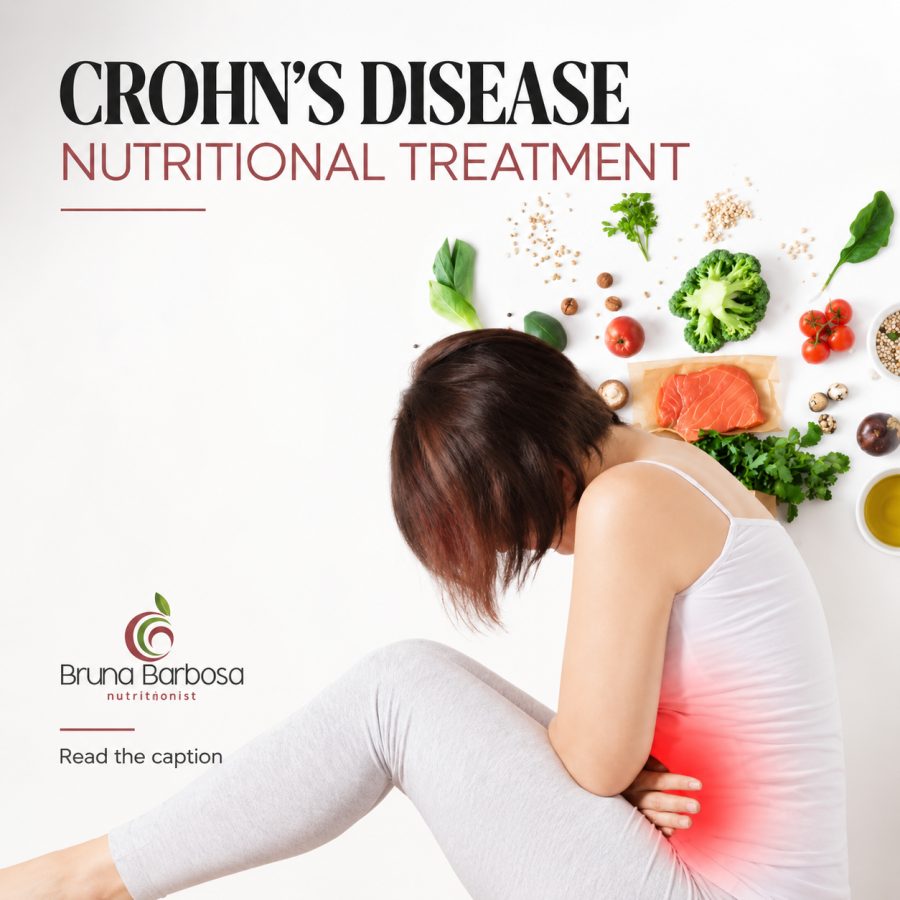
Did you know that a proper diet can be fundamental in the treatment of Crohn's disease? So just follow my tips!
Crohn's Disease (CD) is a chronic, autoimmune intestinal condition that affects the digestive tract, potentially compromising any region from the mouth to the anus. Although there is no cure, a combination of a healthy lifestyle, proper stress management, and nutritional support can significantly contribute to symptom remission, providing a better quality of life for the patient.
Symptoms vary in intensity and frequency from person to person, potentially interfering greatly with daily life. Understanding the disease in depth is essential for the patient to comprehend their condition and actively participate in the treatment and control process.
Unknown Origins of the Disease
The exact cause of Crohn's Disease remains unknown. Researchers believe that genetic, environmental, and immunological factors play an important role in the development of the disease. Although hypotheses point to the presence of viruses or bacteria as possible triggers, no specific agent has been identified to date.
When the immune system detects a threat in the digestive tract, an abnormal immune response causes it to incorrectly attack healthy cells in the region, resulting in chronic inflammation. This condition can worsen with factors such as smoking, use of certain medications (such as anti-inflammatories), and an inadequate diet.
Clinical Impacts Beyond the Gastrointestinal Tract
The impacts of Crohn's Disease extend beyond the gastrointestinal tract, affecting other parts of the body and causing systemic complications. Among the most common gastrointestinal symptoms are:
Persistent diarrhea;
Abdominal pain, especially in the lower right quadrant;
Nausea and vomiting;
Fatigue and extreme feeling of tiredness;
Anorexia and involuntary weight loss;
Presence of blood and mucus in the stool;
Constipation due to narrowing of the intestinal lumen.
Crohn's Disease can also cause extraintestinal manifestations, such as:
Arthritis and joint pain;
Psoriasis and other dermatological conditions;
Ankylosing spondylitis;
Bronchitis and respiratory difficulties;
Primary Sclerosing Cholangitis (inflammation of the bile ducts);
Obstructive Sleep Apnea;
Thrombosis and circulatory complications.
Studies show that the disease can occur at any age, but it is more common in young adults, especially before the age of 30. Early diagnosis and a well-structured treatment plan are crucial to minimize health damage.
Nutritional Management in Crohn's Disease
Nutritional support plays an essential role in managing Crohn's Disease, especially during crises. There is no single diet that suits all patients, as each individual may react differently to certain foods. Therefore, it is important to personalize the dietary plan according to each person's needs and tolerance.
In general, some nutritional strategies include:
Reducing or eliminating the consumption of ultra-processed and irritating foods, such as pepper, coffee, and alcohol;
Avoiding dairy products if the patient has lactose intolerance;
Increasing water intake to ensure proper hydration;
Including fruits, vegetables, and other sources of fiber that help reduce inflammation and provide essential nutrients;
Practicing slow and conscious chewing to facilitate digestion;
Monitoring possible nutritional deficiencies, such as vitamins B12, D, and iron, and supplementing them if necessary.
Additionally, during remission periods, it is possible to expand the variety of foods in the diet, ensuring more complete and balanced nutrition. Consulting a specialized nutritionist is fundamental to adjust the diet according to the phases of the disease.
Conclusion
Crohn's Disease requires a multidisciplinary approach, involving doctors, nutritionists, and the patient themselves. Understanding the condition, combined with effective treatment strategies, can help reduce symptoms and significantly improve quality of life. It is important to remember that each case is unique and, therefore, should be treated individually.
If you have been diagnosed with Crohn's Disease or present similar symptoms, do not hesitate to seek professional guidance. Adequate follow-up can make a significant difference in managing the disease and achieving a healthier and more balanced life.
Related Reading

About the Author
Bruna Barbosa — Nutritionist, CRN-DF 16963
Specializing in Functional Nutrition, Phytotherapy, and Digestive Health, Bruna helps people understand their symptoms and transform their health starting from the gut, based on scientific evidence, empathy, and clinical practice. She produces accessible, well-founded content to guide more conscious and sustainable choices.
Learn more about Bruna →