Gut Health Focus
Gut-Brain Axis: How Your Intestine Impacts Your Mental Health
Discover how the gut-brain axis influences your mental and emotional health. Learn how to adjust your diet to improve symptoms like anxiety and depression!
Anxiety and Depression? Your Intestine Might Be Involved!
Did you know your intestine and brain are deeply connected? The gut-brain axis is a powerful communication channel, where any intestinal imbalance can directly affect your mood and mental health. If you're struggling with anxiety, depression, or mood swings, it might be time to look at your digestive health.
Gut issues don't just affect digestion; they also impact how you feel daily. Physical discomfort can evolve into emotional symptoms like irritability, constant sadness, and even a lack of energy for everyday activities.
What is the Gut-Brain Axis?
With advancements in research, it's been noticed that many patients with neuropsychiatric disorders also present gastrointestinal problems. This relationship is called the gut-brain axis, where the intestine and brain communicate constantly.
This communication directly influences your well-being, mood, and even appetite control. When the gut is out of balance, the impact can be felt in various areas of mental health, including sleep and concentration.
How Does This Communication Occur?
The enteric nervous system, which controls the intestine, is directly linked to the central nervous system via the vagus nerve. This system regulates functions like mood, neurotransmitter production, intestinal hormones, and much more.
Additionally, inflammatory mediators and the intestinal microbiota play essential roles in this process. A healthy gut means less inflammation and greater emotional balance, helping to reduce symptoms of chronic stress and constant anxiety.
Microbiota Alterations and Their Effects
People with mood disorders, such as anxiety and depression, often present microbiota imbalances. This imbalance can increase inflammation and worsen psychiatric symptoms.
Factors like inadequate diet, medication use, sedentary lifestyle, and high stress directly affect intestinal health, impacting mental health. A balanced microbiota is essential for maintaining emotional well-being and preventing anxiety crises.
The Role of Cortisol in the Gut and Mood
An increase in cortisol, the stress hormone, alters the intestinal microbiota, reducing lactobacillus and increasing inflammation. This decreases important neurotransmitters for emotional balance, directly affecting mood.
High cortisol levels impair the vagus nerve's connection with the gut, making emotional control difficult and increasing the risk of anxiety and depression. Controlling this hormone is fundamental for maintaining the balance between mind and body.
Why Is Our Gut So Altered?
Diet rich in saturated fats, sugars, and chemical additives harms gut health, while a lack of fiber worsens the condition. Processed foods affect not only the gut but also mental health, contributing to anxiety and depression symptoms.
Studies show that modern diet is directly related to problems in the gut-brain axis, making it essential to maintain a balanced diet for emotional and physical well-being.
How to Improve Gut and Mental Health?
The Mediterranean diet is one of the best for gut and mental health, as it promotes microbiota diversity and reduces inflammation. Foods rich in fiber, whole grains, and good fats help improve mood and cognition.
In addition to diet, stress management, regular physical activity, and quality sleep are fundamental for balancing the gut-brain axis and maintaining good mental health.
Mindful Diet in Practice
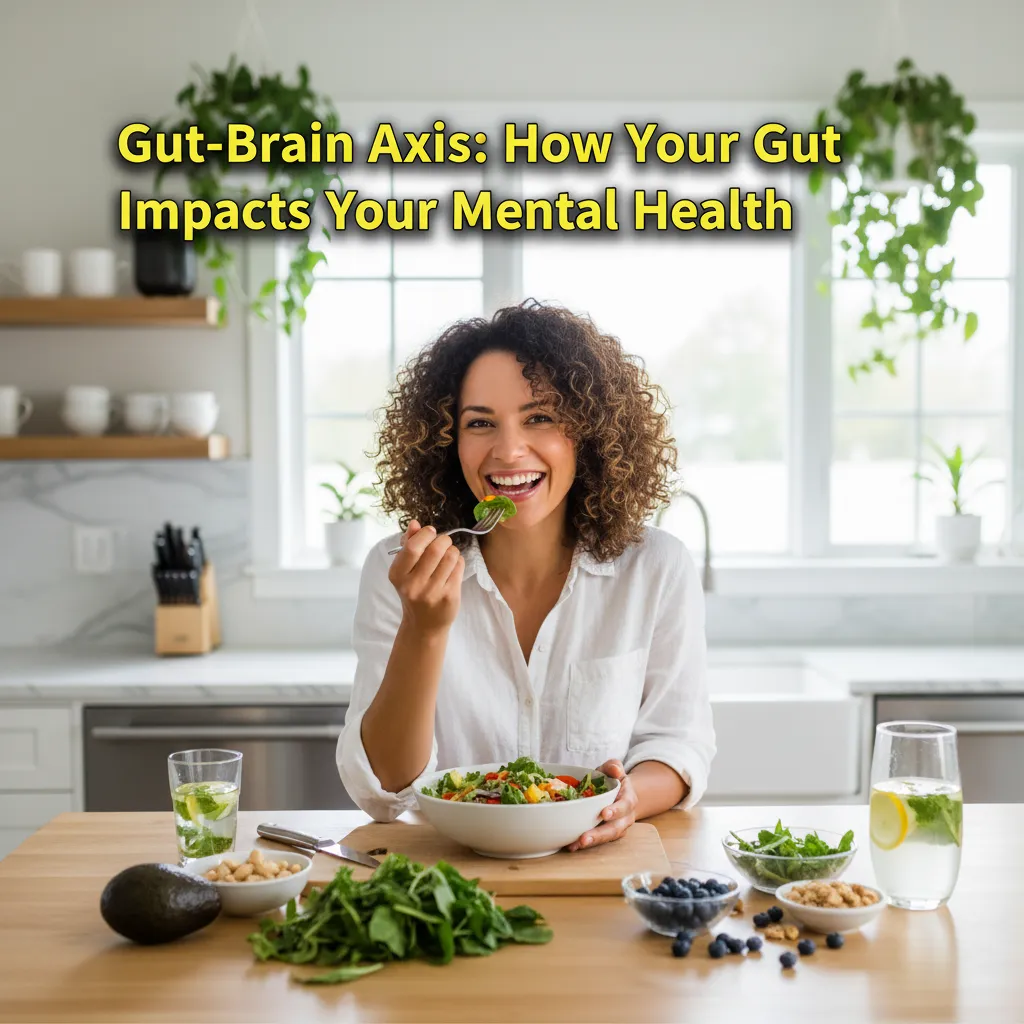
To improve gut and mental health, invest in foods like leafy greens, red fruits, whole grains, olive oil, and fish. Avoid processed foods, refined sugars, and saturated fats, which can harm your digestive and emotional health.
These dietary changes contribute to the balance of the gut-brain axis, promoting physical and mental well-being. Small changes make a big difference in your quality of life.
Related Reading

About the Author
Bruna Barbosa — Nutritionist, CRN-DF 16963
Specializing in Functional Nutrition, Phytotherapy, and Digestive Health, Bruna helps people understand their symptoms and transform their health starting from the gut, based on scientific evidence, empathy, and clinical practice. She produces accessible, well-founded content to guide more conscious and sustainable choices.
Learn more about Bruna →