Gut Health Focus
I've Plateaued at My Weight, What Now?
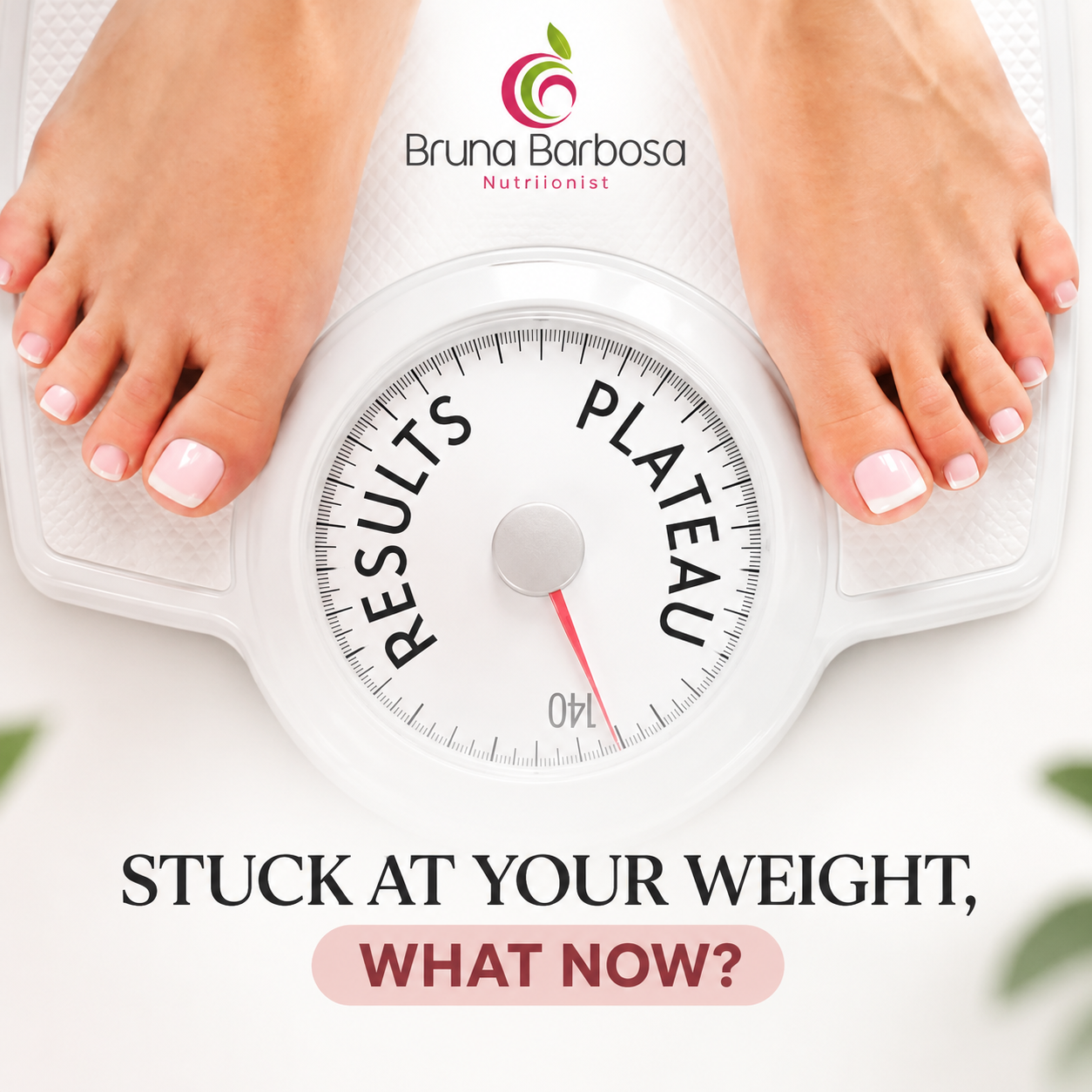
Discover effective strategies to overcome the plateau effect in weight loss. Learn how to adjust your diet, stay focused, and achieve your goals with health and balance!
How to Handle the Plateau Effect in Weight Loss?
It is very common for people to start losing weight well and then, after some time, to stall without being able to progress further. This phenomenon, known as the plateau effect or adaptive thermogenesis, can be challenging and frustrating for those in a weight loss process.
The plateau effect occurs because the human body is highly adaptable. According to a study published in the International Journal of Obesity in 2018, after the 14th day of calorie restriction, the organism "understands" that there is a decrease in calorie intake. As a survival mechanism, it activates pathways that save energy, increase appetite, and reduce basal metabolism, making it difficult to continue weight loss.
Why Does Weight Stall?
Maintaining the initial weight is one of the body's main goals, and this occurs due to its ability to adjust metabolism according to changes in diet and physical activity levels. When weight stalls, this can be caused by:
Adaptive thermogenesis: The body reduces energy expenditure to adapt to lower calorie intake.
Reduction in calorie deficit: Over time, the body spends less energy, reducing the effectiveness of the initial diet.
Incorrect food swaps: Often, patients start making inadequate substitutions, consuming foods outside the meal plan.
Excessive exercise: Excessive physical activity, without recovery periods, can increase metabolic stress and hinder weight loss.
Strategies to Overcome the Plateau Effect
Overcoming the plateau effect requires planning, adjustments, and patience. Strategies such as meal plan periodization are fundamental to keep the organism active and avoid metabolic stress. See some suggestions:
Periodized meal plan: Start with a 30% Mediterranean low-carb diet, after 15 days, switch to the TRF method (time-restricted feeding). After another 15 or 30 days, try a plant-based diet.
Reverse dieting: Insert days of higher energy consumption and less physical activity, allowing the body to regain balance without compromising results.
Intestinal modulation: A healthy microbiota improves nutrient absorption and regulates metabolism, assisting in weight loss.
Anti-inflammatory diet: Reduces systemic inflammation that can negatively impact metabolism.
These strategies are just examples and should be adjusted for each patient, considering their individual needs and professional follow-up.
The Role of Treatment Adherence
Although the plateau effect is a common cause for weight stalling, treatment adherence also plays a crucial role. Often, patients start to relax in complying with the meal plan, make substitutions on their own, or stop weighing foods. These small deviations can accumulate extra calories and hinder progress.
Maintaining focus and following the guidelines is essential to ensure consistent results. Additionally, weighing foods and recording meals can help maintain control and identify possible errors.
The Complexity of Weight Loss
Weight loss is not just a matter of calorie restriction. The human body is complex and is always trying to regain its initial weight as a form of protection. Therefore, it is necessary to adopt a multifaceted approach that includes:
Personalized meal planning;
Regular practice of appropriate physical exercises;
Stress and mental health management;
Continuous progress monitoring and meal plan adjustments.
The Role of Intestinal Health in Weight
Intestinal health plays a fundamental role in weight control. A balanced microbiota assists in digestion, nutrient absorption, and hormonal regulation. Investing in probiotic and prebiotic foods, such as natural yogurt, kefir, oats, and fruits rich in soluble fiber, can be an excellent strategy to optimize results.
Practical Tips to Maintain Weight
Maintaining the achieved weight is as challenging as losing it. For this, it is important to adopt sustainable practices that promote metabolic balance:
Eat slowly: This helps regulate satiety hormones, avoiding excesses.
Prioritize lean proteins: They promote satiety and help preserve lean mass.
Avoid very restrictive diets: They can lead to the yo-yo effect, harming metabolism in the long run.
Stay hydrated: Adequate hydration is essential for metabolic and digestive function.
Conclusion
The plateau effect can be frustrating, but it is possible to overcome it with the right strategies and adequate follow-up. Remember that weight loss and maintenance are not a linear journey; they are a process that requires patience, dedication, and constant adjustments. If you are having difficulty losing weight or overcoming the plateau effect, seek help from a specialized nutritionist to create a meal plan and lifestyle that works for you.
It is very common for people to start losing weight well and then, after some time, to stall without being able to progress further. This phenomenon, known as the plateau effect or adaptive thermogenesis, can be challenging and frustrating for those in a weight loss process.
The plateau effect occurs because the human body is highly adaptable. According to a study published in the International Journal of Obesity in 2018, after the 14th day of calorie restriction, the organism "understands" that there is a decrease in calorie intake. As a survival mechanism, it activates pathways that save energy, increase appetite, and reduce basal metabolism, making it difficult to continue weight loss.
Why Does Weight Stall?
Maintaining the initial weight is one of the body's main goals, and this occurs due to its ability to adjust metabolism according to changes in diet and physical activity levels. When weight stalls, this can be caused by:
Adaptive thermogenesis: The body reduces energy expenditure to adapt to lower calorie intake.
Reduction in calorie deficit: Over time, the body spends less energy, reducing the effectiveness of the initial diet.
Incorrect food swaps: Often, patients start making inadequate substitutions, consuming foods outside the meal plan.
Excessive exercise: Excessive physical activity, without recovery periods, can increase metabolic stress and hinder weight loss.
Strategies to Overcome the Plateau Effect
Overcoming the plateau effect requires planning, adjustments, and patience. Strategies such as meal plan periodization are fundamental to keep the organism active and avoid metabolic stress. See some suggestions:
Periodized meal plan: Start with a 30% Mediterranean low-carb diet, after 15 days, switch to the TRF method (time-restricted feeding). After another 15 or 30 days, try a plant-based diet.
Reverse dieting: Insert days of higher energy consumption and less physical activity, allowing the body to regain balance without compromising results.
Intestinal modulation: A healthy microbiota improves nutrient absorption and regulates metabolism, assisting in weight loss.
Anti-inflammatory diet: Reduces systemic inflammation that can negatively impact metabolism.
These strategies are just examples and should be adjusted for each patient, considering their individual needs and professional follow-up.
The Role of Treatment Adherence
Although the plateau effect is a common cause for weight stalling, treatment adherence also plays a crucial role. Often, patients start to relax in complying with the meal plan, make substitutions on their own, or stop weighing foods. These small deviations can accumulate extra calories and hinder progress.
Maintaining focus and following the guidelines is essential to ensure consistent results. Additionally, weighing foods and recording meals can help maintain control and identify possible errors.
The Complexity of Weight Loss
Weight loss is not just a matter of calorie restriction. The human body is complex and is always trying to regain its initial weight as a form of protection. Therefore, it is necessary to adopt a multifaceted approach that includes:
Personalized meal planning;
Regular practice of appropriate physical exercises;
Stress and mental health management;
Continuous progress monitoring and meal plan adjustments.
The Role of Intestinal Health in Weight
Intestinal health plays a fundamental role in weight control. A balanced microbiota assists in digestion, nutrient absorption, and hormonal regulation. Investing in probiotic and prebiotic foods, such as natural yogurt, kefir, oats, and fruits rich in soluble fiber, can be an excellent strategy to optimize results.
Practical Tips to Maintain Weight
Maintaining the achieved weight is as challenging as losing it. For this, it is important to adopt sustainable practices that promote metabolic balance:
Eat slowly: This helps regulate satiety hormones, avoiding excesses.
Prioritize lean proteins: They promote satiety and help preserve lean mass.
Avoid very restrictive diets: They can lead to the yo-yo effect, harming metabolism in the long run.
Stay hydrated: Adequate hydration is essential for metabolic and digestive function.
Conclusion
The plateau effect can be frustrating, but it is possible to overcome it with the right strategies and adequate follow-up. Remember that weight loss and maintenance are not a linear journey; they are a process that requires patience, dedication, and constant adjustments. If you are having difficulty losing weight or overcoming the plateau effect, seek help from a specialized nutritionist to create a meal plan and lifestyle that works for you.

About the Author
Bruna Barbosa — Nutritionist, CRN-DF 16963
Specializing in Functional Nutrition, Phytotherapy, and Digestive Health, Bruna helps people understand their symptoms and transform their health starting from the gut, based on scientific evidence, empathy, and clinical practice. She produces accessible, well-founded content to guide more conscious and sustainable choices.
Learn more about Bruna →