Gut Health Focus
Build your jar salad for the whole week
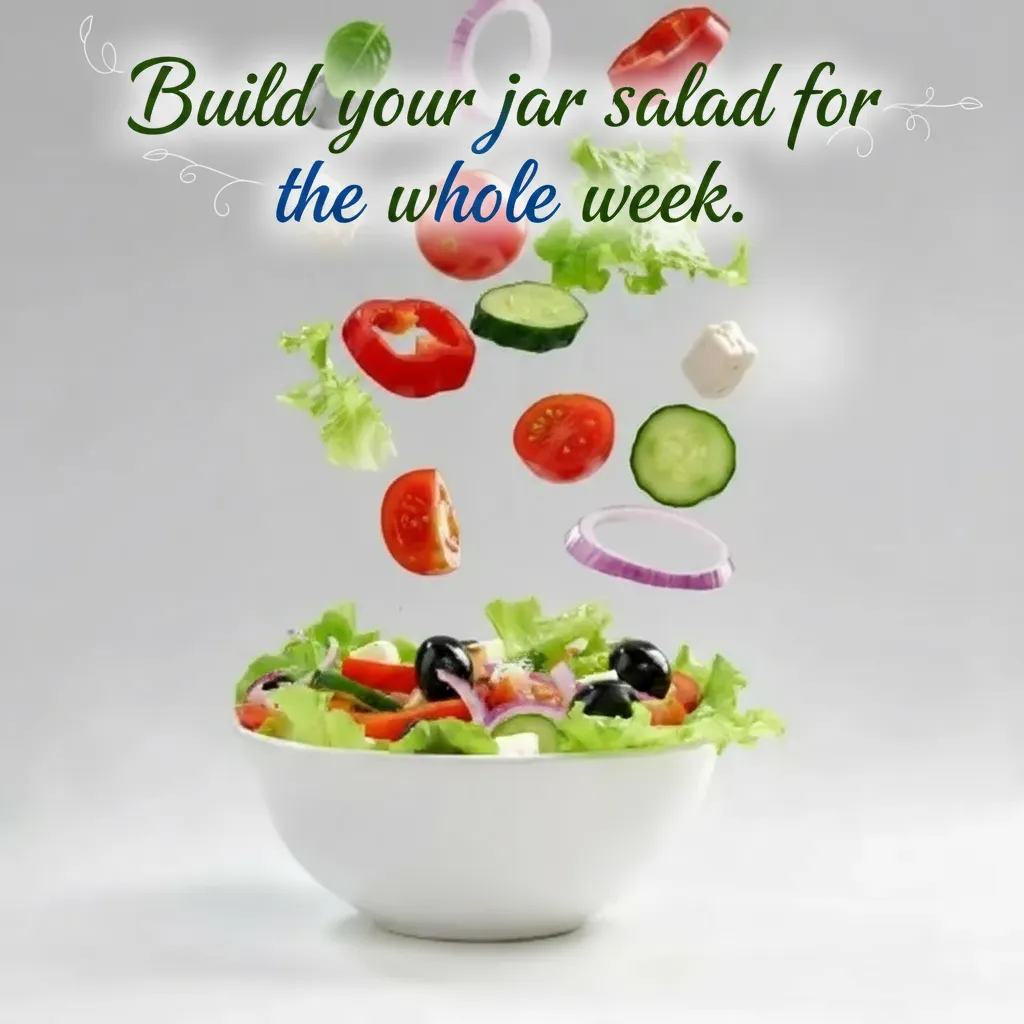
Learn how to assemble your jar salad with practical and healthy tips for the whole week. Check out the tips to keep your meals fresh and nutritious.
Build Your Jar Salad: Practical, Nutritious, and Delicious Meals for the Whole Week
Are you looking for a practical way to maintain a healthy diet throughout the week, without sacrificing flavor? Jar salads are the perfect solution!
These meals are easy to prepare, packed with nutrients, and versatile enough to please all paladars.
Additionally, jar salads are ideal for those seeking convenience, as they can be prepared in advance and stored in the refrigerator for consumption throughout the days.
If you're already tired of wondering what to eat for lunch or are looking for healthy alternatives to take to work, jar salads are the answer.
Keep reading to discover a complete guide to building your perfect jar salad, with combination suggestions, storage tips, and recipes that will make you fall in love with this trend.
Why Bet on Jar Salads?
Jar salads are not just practical; they are also an excellent way to ensure you are consuming a variety of nutrients throughout the week. Each layer of the jar can be planned to provide vitamins, minerals, fiber, and proteins, essential for the proper functioning of the body.
Additionally, the fact that they are prepared at home allows you to control the ingredients, avoiding preservatives, chemical additives, and excess sodium, common in ready-to-eat meals.
Another great benefit of jar salads is the time and money savings. By dedicating a specific time to prepare your jar salads, you save precious minutes throughout the week and avoid spending on restaurants or ordering delivery, which are often not as healthy options.
Step-by-Step Guide to Building Your Jar Salad
Now that you know the benefits of jar salads, let's go through the step-by-step process to build the ideal jar salad.
Below, you will find tips for each stage, from choosing the ingredients to the final assembly.
Step 1: Choose the Dressing
The dressing is an essential part of the salad, as it enhances the flavor of the ingredients. Choose dressings that complement the ingredients of your salad and are made with healthy ingredients. Avoid industrial dressings and prefer to make your own at home.
Yogurt Dressing with Lemon: Yogurt, olive oil, garlic, lemon, and salt.
Mustard and Honey Dressing: Mustard, olive oil, honey, lemon, and salt.
Avocado Dressing with Lemon: Avocado, olive oil, parsley, lemon, and salt.
Orange Dressing: Mustard, olive oil, orange, lemon, and salt.
Pesto Dressing: Basil, walnuts, parmesan, olive oil, and garlic.
Step 2: Choose the Accompaniments
The accompaniments are the heart of your jar salad. They provide the variety of textures and flavors, as well as the necessary nutrients. Mix different types of leaves, vegetables, proteins, and carbohydrates to create a balanced salad. Some options include:
Leaves: Lettuce, arugula, spinach, chives, chard.
Vegetables: Carrot, cucumber, bell pepper, tomato, beetroot.
Proteins: Grilled chicken, tuna, boiled eggs, quinoa.
Carbohydrates: Corn, sweet potato, chickpeas, lentils.
Others: Avocado, chia, walnuts, balsamic vinegar.
Step 3: Build Your Jar Salad
The assembly is the most fun part when preparing a jar salad. Use glass jars with a hermetic lid to keep the salad fresh for longer. The order of the ingredients makes all the difference to ensure the salad doesn't wilt.
Follow this order:
1st Layer: Dressing – Place the dressing at the bottom of the jar.
2nd Layer: Heavier Ingredients – Such as grains, cooked vegetables, proteins.
3rd Layer: Lighter Ingredients – Such as leaves, sprouts, and fresh herbs.
4th Layer: Toppings – Such as walnuts, seeds, and cheese (optional).
Jar Salad Recipe Suggestions
Here are some jar salad combinations to inspire your creations:
Arugula, Tomato, Cucumber, and Mustard Dressing Salad: Arugula, diced medium tomato, sliced cucumber, mustard dressing (1 tablespoon of mustard, 1 tablespoon of olive oil, 1 teaspoon of honey, salt, and pepper to taste).
Spinach, Grated Carrot, Beetroot, Tuna, and Quinoa Salad: Spinach, grated carrot, grated beetroot, tuna in water, cooked quinoa, vinaigrette (2 tablespoons of olive oil, 1 tablespoon of vinegar, salt, and pepper to taste).
Mixed Leaves, Carrot, Walnuts, Chia, and Balsamic Dressing Salad: Mixed leaves (lettuce, arugula, spinach), grated carrot, chopped walnuts, chia, balsamic dressing (2 tablespoons of olive oil, 1 tablespoon of balsamic vinegar, salt, and pepper to taste).
Storage Tips for Your Jar Salads
To ensure your jar salads remain fresh and flavorful, follow these storage tips:
Use glass jars: They are safer for health and better preserve food.
Keep the jars well sealed: This prevents air entry, preserving the ingredients for longer.
Store in the refrigerator: Jar salads can last up to 5 days in the refrigerator, depending on the ingredients used.
Add the leaves last: This prevents them from wilting when coming into contact with wetter ingredients.
Conclusion
Jar salads are a smart way to plan your meals, ensuring convenience and nutrition throughout the week. With the tips and recipes we've shared, you can create delicious and varied combinations, maintaining a balanced and flavorful diet.
Additionally, preparing your jar salads is an excellent way to save time and money while taking care of your health. So, why not start building your jar salads today? Your week will be much lighter, tastier, and healthier!
Are you looking for a practical way to maintain a healthy diet throughout the week, without sacrificing flavor? Jar salads are the perfect solution!
These meals are easy to prepare, packed with nutrients, and versatile enough to please all paladars.
Additionally, jar salads are ideal for those seeking convenience, as they can be prepared in advance and stored in the refrigerator for consumption throughout the days.
If you're already tired of wondering what to eat for lunch or are looking for healthy alternatives to take to work, jar salads are the answer.
Keep reading to discover a complete guide to building your perfect jar salad, with combination suggestions, storage tips, and recipes that will make you fall in love with this trend.
Why Bet on Jar Salads?
Jar salads are not just practical; they are also an excellent way to ensure you are consuming a variety of nutrients throughout the week. Each layer of the jar can be planned to provide vitamins, minerals, fiber, and proteins, essential for the proper functioning of the body.
Additionally, the fact that they are prepared at home allows you to control the ingredients, avoiding preservatives, chemical additives, and excess sodium, common in ready-to-eat meals.
Another great benefit of jar salads is the time and money savings. By dedicating a specific time to prepare your jar salads, you save precious minutes throughout the week and avoid spending on restaurants or ordering delivery, which are often not as healthy options.
Step-by-Step Guide to Building Your Jar Salad
Now that you know the benefits of jar salads, let's go through the step-by-step process to build the ideal jar salad.
Below, you will find tips for each stage, from choosing the ingredients to the final assembly.
Step 1: Choose the Dressing
The dressing is an essential part of the salad, as it enhances the flavor of the ingredients. Choose dressings that complement the ingredients of your salad and are made with healthy ingredients. Avoid industrial dressings and prefer to make your own at home.
Yogurt Dressing with Lemon: Yogurt, olive oil, garlic, lemon, and salt.
Mustard and Honey Dressing: Mustard, olive oil, honey, lemon, and salt.
Avocado Dressing with Lemon: Avocado, olive oil, parsley, lemon, and salt.
Orange Dressing: Mustard, olive oil, orange, lemon, and salt.
Pesto Dressing: Basil, walnuts, parmesan, olive oil, and garlic.
Step 2: Choose the Accompaniments
The accompaniments are the heart of your jar salad. They provide the variety of textures and flavors, as well as the necessary nutrients. Mix different types of leaves, vegetables, proteins, and carbohydrates to create a balanced salad. Some options include:
Leaves: Lettuce, arugula, spinach, chives, chard.
Vegetables: Carrot, cucumber, bell pepper, tomato, beetroot.
Proteins: Grilled chicken, tuna, boiled eggs, quinoa.
Carbohydrates: Corn, sweet potato, chickpeas, lentils.
Others: Avocado, chia, walnuts, balsamic vinegar.
Step 3: Build Your Jar Salad
The assembly is the most fun part when preparing a jar salad. Use glass jars with a hermetic lid to keep the salad fresh for longer. The order of the ingredients makes all the difference to ensure the salad doesn't wilt.
Follow this order:
1st Layer: Dressing – Place the dressing at the bottom of the jar.
2nd Layer: Heavier Ingredients – Such as grains, cooked vegetables, proteins.
3rd Layer: Lighter Ingredients – Such as leaves, sprouts, and fresh herbs.
4th Layer: Toppings – Such as walnuts, seeds, and cheese (optional).
Jar Salad Recipe Suggestions
Here are some jar salad combinations to inspire your creations:
Arugula, Tomato, Cucumber, and Mustard Dressing Salad: Arugula, diced medium tomato, sliced cucumber, mustard dressing (1 tablespoon of mustard, 1 tablespoon of olive oil, 1 teaspoon of honey, salt, and pepper to taste).
Spinach, Grated Carrot, Beetroot, Tuna, and Quinoa Salad: Spinach, grated carrot, grated beetroot, tuna in water, cooked quinoa, vinaigrette (2 tablespoons of olive oil, 1 tablespoon of vinegar, salt, and pepper to taste).
Mixed Leaves, Carrot, Walnuts, Chia, and Balsamic Dressing Salad: Mixed leaves (lettuce, arugula, spinach), grated carrot, chopped walnuts, chia, balsamic dressing (2 tablespoons of olive oil, 1 tablespoon of balsamic vinegar, salt, and pepper to taste).
Storage Tips for Your Jar Salads
To ensure your jar salads remain fresh and flavorful, follow these storage tips:
Use glass jars: They are safer for health and better preserve food.
Keep the jars well sealed: This prevents air entry, preserving the ingredients for longer.
Store in the refrigerator: Jar salads can last up to 5 days in the refrigerator, depending on the ingredients used.
Add the leaves last: This prevents them from wilting when coming into contact with wetter ingredients.
Conclusion
Jar salads are a smart way to plan your meals, ensuring convenience and nutrition throughout the week. With the tips and recipes we've shared, you can create delicious and varied combinations, maintaining a balanced and flavorful diet.
Additionally, preparing your jar salads is an excellent way to save time and money while taking care of your health. So, why not start building your jar salads today? Your week will be much lighter, tastier, and healthier!

About the Author
Bruna Barbosa — Nutritionist, CRN-DF 16963
Specializing in Functional Nutrition, Phytotherapy, and Digestive Health, Bruna helps people understand their symptoms and transform their health starting from the gut, based on scientific evidence, empathy, and clinical practice. She produces accessible, well-founded content to guide more conscious and sustainable choices.
Learn more about Bruna →