Gut Health Focus
Menstrual Period: How to reduce swelling?
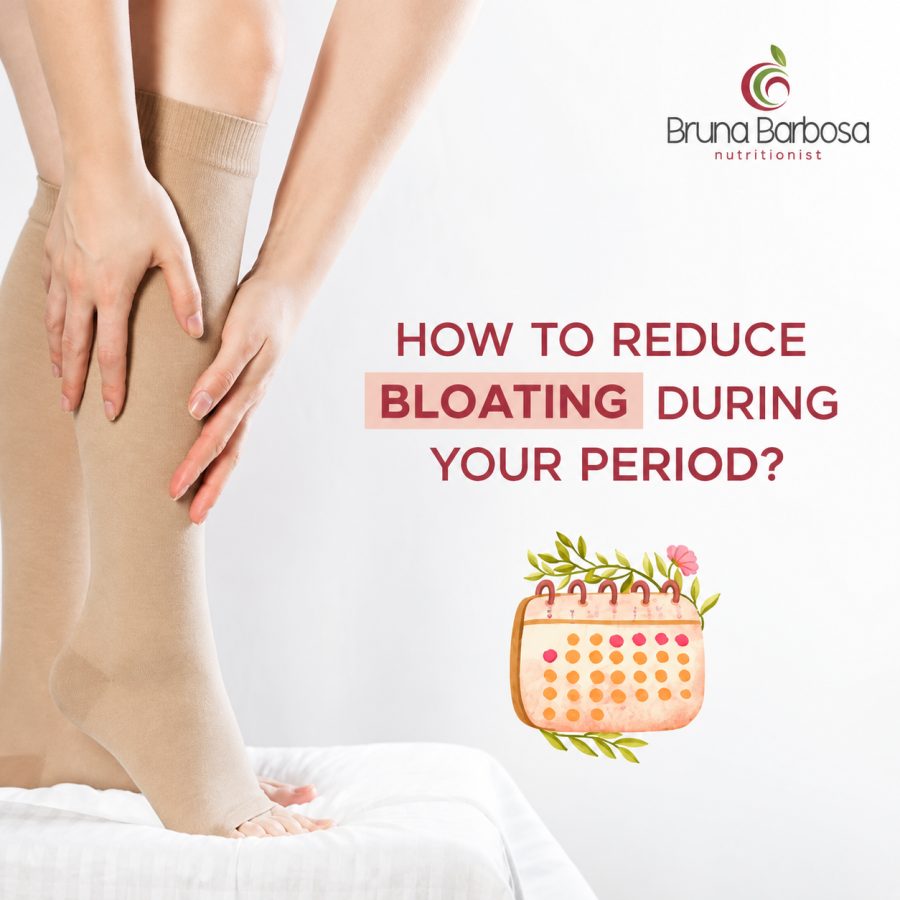
Learn why bloating during the menstrual period is a common complaint among many women.
Menstrual swelling is a common complaint among many women. This discomfort can be caused by a variety of factors, including fluid retention, hormonal fluctuations, and even dietary choices. Fortunately, there are several nutritional strategies that can help reduce swelling and provide relief during this period.
The responsible for fluid retention during the menstrual period is progesterone. It causes a kind of flaccidity in the venous wall and stimulates aldosterone which is an antidiuretic hormone, favoring the retention of sodium and elimination of potassium.
Stay Hydrated
It may seem counterintuitive, but drinking more water can actually help reduce swelling. When you are dehydrated, your body tends to retain more fluids, which can lead to swelling. Make sure to drink plenty of water throughout the day to help release excess fluids and reduce swelling.
Reduce Salt Intake
Excessive salt consumption can lead to fluid retention, which can worsen swelling during the menstrual period. Try to reduce the amount of salt in your diet, avoiding processed foods and opting for more natural and low-sodium options. Use herbs and spices to season your foods instead of salt.
Increase Diuretic Food Consumption
Some foods have natural diuretic properties that can help reduce fluid retention and swelling. Include foods like cucumber, watermelon, pineapple, celery and asparagus in your diet to help release excess fluids from the body and reduce swelling.
Avoid Inflammatory Foods
Certain foods can increase inflammation in the body, which can worsen swelling during the menstrual period. Avoid foods rich in saturated fats, refined sugars, and processed carbohydrates, as they can trigger an inflammatory response. Instead, opt for whole, nutrient-rich, and anti-inflammatory foods like fruits, vegetables, whole grains, and lean proteins.
Consume More Fiber
Fiber is essential for maintaining a healthy digestive system and regularity. They help promote intestinal regularity and can reduce the feeling of swelling. Make sure to include a variety of fiber-rich foods in your diet, such as fruits, vegetables, whole grains, legumes, and seeds.
Practice Regular Physical Activity
Regular physical activity can help improve blood and lymphatic circulation, which can reduce fluid retention and swelling. Try to incorporate aerobic exercises, such as walking, running, swimming, or dancing, into your daily routine to help alleviate swelling during the menstrual period.
Try Herbal Teas and Infusions
Some teas and infusions have natural diuretic properties that can help reduce fluid retention and swelling. Herbal teas like dandelion, hibiscus, chamomile, and green tea can be especially effective.
Try drinking a cup of these teas throughout the day to help alleviate swelling. Additionally, some teas can be a good strategy.
Chamomile tea, for example, has high concentrations of flavonoids, phenolic compounds and minerals with diuretic action.
Corn silk tea also has good diuretic action.
And an interesting alternative is flaxseed water, as flaxseed has lignan which in turn has estrogenic effect, reducing the action of progesterone.
These are easy solutions and to make it even easier, I will leave the preparation instructions for flaxseed water..
FLAXSEED WATER
INGREDIENTS
1 tablespoon of flaxseed (10g)
1 cup of water (250 ml)
PREPARATION
Place the seeds in a cup of warm water, cover and let it rest during the night. The next day is just to strain and drink.
The responsible for fluid retention during the menstrual period is progesterone. It causes a kind of flaccidity in the venous wall and stimulates aldosterone which is an antidiuretic hormone, favoring the retention of sodium and elimination of potassium.
Stay Hydrated
It may seem counterintuitive, but drinking more water can actually help reduce swelling. When you are dehydrated, your body tends to retain more fluids, which can lead to swelling. Make sure to drink plenty of water throughout the day to help release excess fluids and reduce swelling.
Reduce Salt Intake
Excessive salt consumption can lead to fluid retention, which can worsen swelling during the menstrual period. Try to reduce the amount of salt in your diet, avoiding processed foods and opting for more natural and low-sodium options. Use herbs and spices to season your foods instead of salt.
Increase Diuretic Food Consumption
Some foods have natural diuretic properties that can help reduce fluid retention and swelling. Include foods like cucumber, watermelon, pineapple, celery and asparagus in your diet to help release excess fluids from the body and reduce swelling.
Avoid Inflammatory Foods
Certain foods can increase inflammation in the body, which can worsen swelling during the menstrual period. Avoid foods rich in saturated fats, refined sugars, and processed carbohydrates, as they can trigger an inflammatory response. Instead, opt for whole, nutrient-rich, and anti-inflammatory foods like fruits, vegetables, whole grains, and lean proteins.
Consume More Fiber
Fiber is essential for maintaining a healthy digestive system and regularity. They help promote intestinal regularity and can reduce the feeling of swelling. Make sure to include a variety of fiber-rich foods in your diet, such as fruits, vegetables, whole grains, legumes, and seeds.
Practice Regular Physical Activity
Regular physical activity can help improve blood and lymphatic circulation, which can reduce fluid retention and swelling. Try to incorporate aerobic exercises, such as walking, running, swimming, or dancing, into your daily routine to help alleviate swelling during the menstrual period.
Try Herbal Teas and Infusions
Some teas and infusions have natural diuretic properties that can help reduce fluid retention and swelling. Herbal teas like dandelion, hibiscus, chamomile, and green tea can be especially effective.
Try drinking a cup of these teas throughout the day to help alleviate swelling. Additionally, some teas can be a good strategy.
Chamomile tea, for example, has high concentrations of flavonoids, phenolic compounds and minerals with diuretic action.
Corn silk tea also has good diuretic action.
And an interesting alternative is flaxseed water, as flaxseed has lignan which in turn has estrogenic effect, reducing the action of progesterone.
These are easy solutions and to make it even easier, I will leave the preparation instructions for flaxseed water..
FLAXSEED WATER
INGREDIENTS
1 tablespoon of flaxseed (10g)
1 cup of water (250 ml)
PREPARATION
Place the seeds in a cup of warm water, cover and let it rest during the night. The next day is just to strain and drink.

About the Author
Bruna Barbosa — Nutritionist, CRN-DF 16963
Specializing in Functional Nutrition, Phytotherapy, and Digestive Health, Bruna helps people understand their symptoms and transform their health starting from the gut, based on scientific evidence, empathy, and clinical practice. She produces accessible, well-founded content to guide more conscious and sustainable choices.
Learn more about Bruna →