Gut Health Focus
Leaky Gut Symptoms: How Gut Health Can Transform Your Life
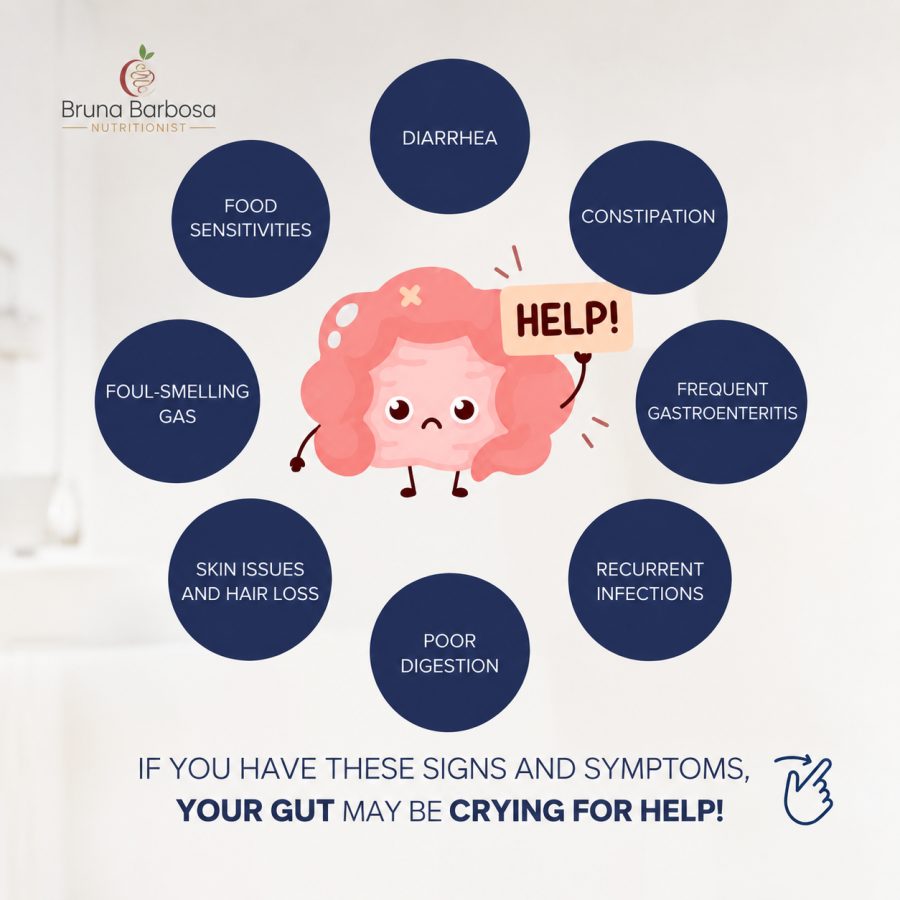
Discover how symptoms such as diarrhea, constipation, and indigestion can be signs of a leaky gut. Learn how to improve your gut health and relieve discomfort.
Your Gut May Be Like a Sieve: Understand the Signs and Symptoms
Did you know that many health problems can be directly linked to the health of your gut? Conditions such as diarrhea, constipation, poor digestion, recurring infections, and even allergies and food sensitivities can be signs that your gut is out of balance. A condition known as leaky gut syndrome may be responsible for these symptoms. But how does this condition develop and how can we treat it?
What Is Leaky Gut Syndrome?
Leaky gut syndrome occurs when the intestinal barrier, which should protect the body from toxins and harmful microorganisms, becomes compromised. Normally, the gut has a barrier made up of intestinal cells joined by tight junctions. These junctions act as a filter, allowing only essential nutrients to pass through. When this barrier is damaged, those junctions become “permeable,” allowing unwanted particles such as toxins, poorly digested proteins, and bacteria to enter the bloodstream.
These particles trigger an inflammatory response in the body, which can lead to digestive problems, chronic inflammation, and even autoimmune diseases. Studies have shown that this condition can worsen symptoms of diseases such as rheumatoid arthritis, migraine, and even depression. That’s why gut health is essential for the overall balance of the body.
What Are the Symptoms of Leaky Gut?
The most common symptoms include diarrhea, constipation, foul‑smelling gas, poor digestion, frequent gastroenteritis, and recurring infections. In addition, issues such as food sensitivities, allergies, joint pain, and even skin changes like eczema and acne can be related to a leaky gut. If you are experiencing these symptoms frequently, it may be time to pay more attention to your gut health.
How to Treat Leaky Gut?
Treatment for leaky gut syndrome involves a comprehensive approach that includes dietary changes, supplementation, and lifestyle factor management. Here are some of the most common strategies to restore gut health:
1. Eliminate Irritating Foods
The first step is to remove from the diet foods that may be causing or exacerbating inflammation in the gut. Ultra‑processed foods, those high in chemical additives, refined sugar, gluten, and alcohol are the main culprits when it comes to gut health. It is also important to avoid potentially allergenic foods, such as dairy products and nuts, until gut health is restored.
2. Increase Intake of Fiber‑Rich Foods
Dietary fiber is essential for feeding the good bacteria in the gut, known as probiotics. Foods such as fruits, legumes, leafy vegetables, seeds, and whole grains help maintain the balance of the intestinal microbiota and promote the integrity of the intestinal barrier. In addition, these foods help regulate bowel movements, preventing problems like constipation and diarrhea.
3. Supplement with Probiotics and Prebiotics
Probiotics, such as Lactobacillus and Bifidobacterium, are beneficial bacteria that can be found in supplements or fermented foods like yogurt, kefir, and sauerkraut. They help restore the balance of the intestinal flora, competing with harmful microorganisms and strengthening the intestinal barrier. Prebiotics, on the other hand, are fibers that serve as food for these good bacteria, helping them multiply in the gut.
4. Manage Stress and Sleep Quality
Chronic stress and lack of sleep are factors that can significantly contribute to gut imbalance. High levels of cortisol, the stress hormone, are associated with increased intestinal permeability. Relaxation techniques such as meditation, yoga, and physical activity can help reduce stress and promote better gut health.
5. Reintroduce Foods
After a period of eliminating irritating foods and implementing a diet rich in anti‑inflammatory foods and supplements, it is possible to gradually reintroduce some foods back into the diet. Reintroduction should be personalized, always monitoring how the body reacts to these foods to avoid inflammation and food sensitivities.
Related Reading

About the Author
Bruna Barbosa — Nutritionist, CRN-DF 16963
Specializing in Functional Nutrition, Phytotherapy, and Digestive Health, Bruna helps people understand their symptoms and transform their health starting from the gut, based on scientific evidence, empathy, and clinical practice. She produces accessible, well-founded content to guide more conscious and sustainable choices.
Learn more about Bruna →