Gut Health Focus
See: How Mouthwash Can Help Reduce Your Appetite?
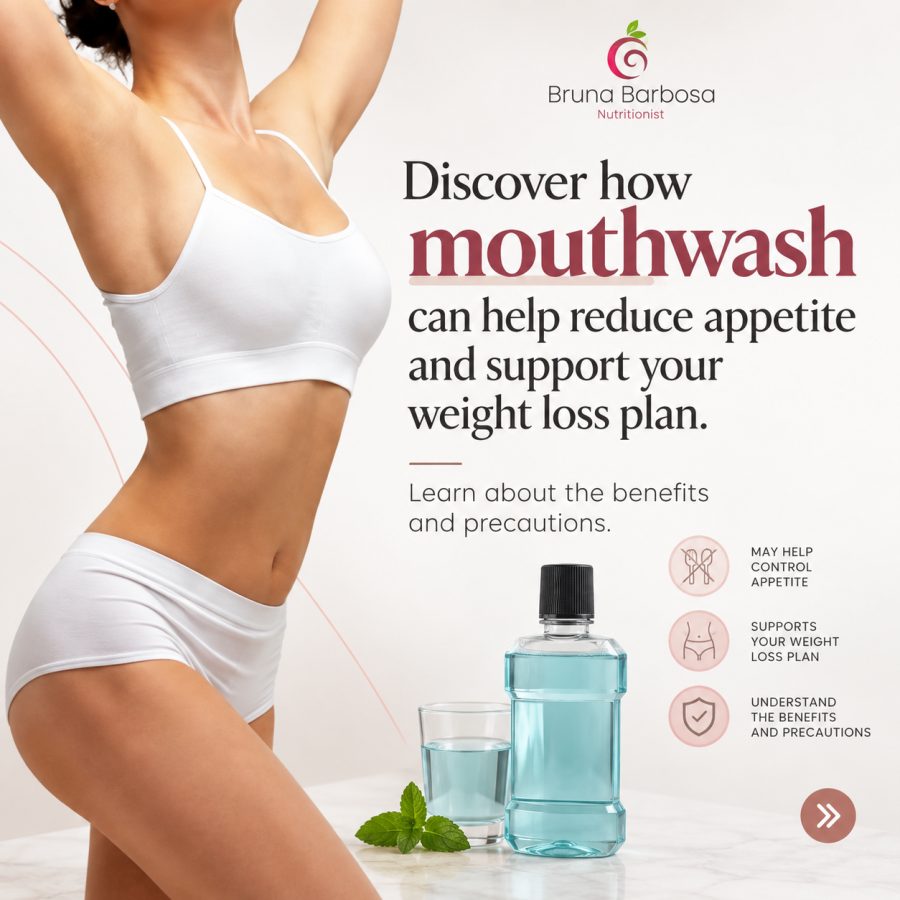
Discover how mouthwash can help reduce appetite and support your weight loss plan. Learn about the benefits and precautions.
How Mouthwash Can Help Reduce Your Appetite
Have you heard that mouthwash can help reduce appetite? This may sound strange at first, but a recent study published in the prestigious Elsevier journal investigated exactly that: whether mint mouthwash could influence the desire for certain foods, such as French fries, which are known to be irresistible to many of us.
The Study and Its Findings
The study concluded that mint mouthwash not only significantly reduced the desire and taste for French fries, but also decreased hunger and thirst. This happens because the mint in the mouthwash directly acts on the taste buds, altering the perception of taste and consequently reducing the desire to eat.
This finding can be particularly useful for those trying to control caloric intake or follow a more restrictive diet. However, it is important to note that this strategy alone will not be sufficient for effective appetite and food intake control. The use of mouthwash can be an additional action within a structured and appropriate eating plan tailored to your nutritional needs.
The Importance of an Adequate Eating Plan
Although the effect of mouthwash is interesting, it is fundamental to understand that satiety and appetite control depend on a combination of factors. Maintaining a balanced diet rich in fiber, protein, and healthy fats is crucial to ensure the feeling of satiety throughout the day.
Practices such as adequate water intake, meal portioning, and conscious food choices are important pillars for success in a weight loss or weight maintenance process. Additionally, it is vital to include foods that provide satiety, such as vegetables, fruits, whole grains, and lean protein sources.
Attention to Intestinal Microbiota
A crucial point that cannot be ignored is the intestinal microbiota. The health of our intestines is directly linked to various aspects of our well-being, including weight control and appetite regulation. Although it may seem obvious, it is important to emphasize: mouthwash is for external use and should not be ingested. Swallowing the mouthwash can harm the intestinal microbiota, which plays a fundamental role in digestion, nutrient absorption, and even weight control.
Curiosities and Precautions with Mouthwash Use
Did you know that excessive use of mouthwash can actually disrupt the oral flora? Although its use is beneficial for oral hygiene, it is essential to follow your dentist's guidelines to avoid problems such as excessive elimination of good bacteria in the mouth. The balance of the oral flora is as important as the balance of the intestinal microbiota.
Additionally, the refreshing taste of mint not only acts on the taste buds, but can also deceive the brain, temporarily reducing the desire to eat. However, this effect is temporary and does not replace the need for an adequate eating plan. Therefore, the use of mouthwash should be considered as a complementary tool, and not as a main solution for appetite control.
Mouthwash: Just an Additional Resource
As mentioned earlier, it is crucial not to rely solely on mouthwash for appetite control. To achieve lasting results in weight management, a multifaceted approach is necessary. This includes regular physical exercise, a balanced diet, and stress control, which can also directly influence eating habits.
Another point to consider is the quality of sleep. Studies have shown that sleep deprivation can increase hunger and the desire for calorie-rich foods, which can make weight control difficult. Therefore, maintaining a healthy sleep routine should be an integral part of any weight loss or weight maintenance plan.
Conclusion
In summary, mint mouthwash can be a curious ally in reducing appetite, but should be used as part of a larger and more comprehensive health and well-being strategy. Remember that no isolated solution is a miracle. To achieve your goals, it is essential to have a balanced eating plan and, if necessary, seek guidance from a nutrition professional.
And you, did you know this curiosity about mouthwash? Why not try it and observe how your body reacts? But remember: never swallow the mouthwash!
Related Reading

About the Author
Bruna Barbosa — Nutritionist, CRN-DF 16963
Specializing in Functional Nutrition, Phytotherapy, and Digestive Health, Bruna helps people understand their symptoms and transform their health starting from the gut, based on scientific evidence, empathy, and clinical practice. She produces accessible, well-founded content to guide more conscious and sustainable choices.
Learn more about Bruna →