Gut Health Focus
How to treat irritable bowel syndrome with diet
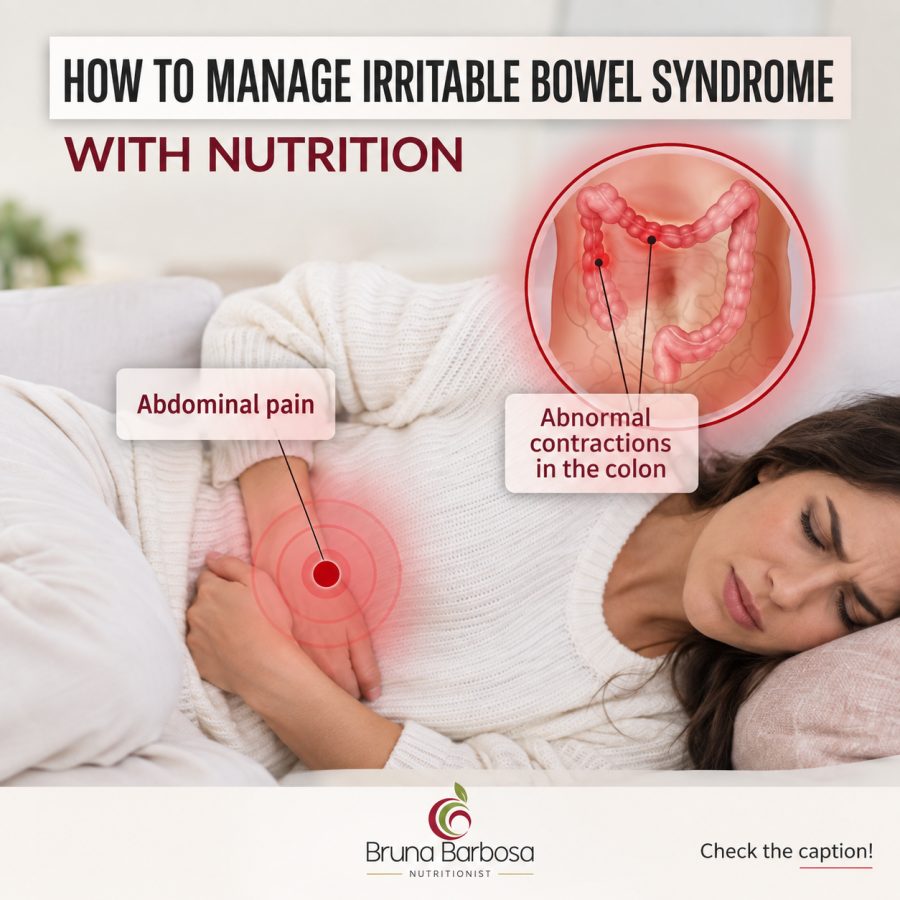
Discover how to identify, treat, and live with irritable bowel syndrome. Improve your quality of life with practical tips and specialized support!
Irritable Bowel Syndrome and Changes in Intestinal Pattern
Irritable bowel syndrome is a condition that affects the digestive system, causing symptoms such as diarrhea, constipation, bloating, pain, and abdominal distension. Known as IBS, this condition can negatively impact quality of life, making it difficult to perform daily activities and social relationships.
The causes of irritable bowel syndrome are varied, including emotional factors such as anxiety, depression, and stress, which can trigger or worsen symptoms. Additionally, inadequate eating habits and the consumption of processed foods also play a significant role in the development of IBS.
Subtypes of Irritable Bowel Syndrome
There are four main subtypes of irritable bowel syndrome, each with specific characteristics:
With constipation: marked by dry stools and difficulty evacuating;
With diarrhea: characterized by frequent episodes of liquid stools;
Mixed: alternation between constipation and diarrhea;
Unspecified: varied symptoms and less defined.
To diagnose irritable bowel syndrome, professionals use the Roma IV criteria. These criteria include recurrent abdominal pain at least once a week in the last three months, associated with at least two of the following factors:
Change in frequency of evacuations;
Modification in consistency of stools;
Relationship between pain and the moment of defecation.
Warning Signs
Although irritable bowel syndrome is not considered a serious disease, some signs require immediate medical attention, such as:
Family history of intestinal diseases;
Age over 50 years;
Unexplained weight loss;
Persistent or nocturnal diarrhea;
Rectal bleeding;
Recurrent anemia and fever;
Frequent vomiting.
Treatment for Irritable Bowel Syndrome
The treatment for irritable bowel syndrome combines lifestyle changes and dietary modifications. Some strategies include:
Consumption of fiber: adjust the amount to avoid worsening symptoms;
Reduction of ultra-processed foods: opt for natural and whole foods;
Avoid caffeine and alcohol: substances that can irritate the intestinal tract;
Meal fractionation: eat in small portions throughout the day;
Use of probiotics: helps balance the intestinal microbiota;
Regular physical exercise: contributes to stress relief and improves intestinal transit.
Additionally, psychological therapies, such as biofeedback, can be useful in controlling stress, which is a worsening factor of symptoms.
Tips for Living with Irritable Bowel Syndrome
Small changes in daily life can make a big difference in controlling irritable bowel syndrome. Some recommended practices include:
Maintain a regular sleep routine to help with body recovery;
Avoid foods known to worsen symptoms, such as fried foods and spicy foods;
Consume more fresh fruits and vegetables to improve digestion;
Drink at least 2 liters of water per day to help with intestinal transit;
Practice relaxation techniques, such as meditation or yoga, to relieve stress.
Additionally, it is important to recognize the body's signals and avoid self-medication. Consulting a healthcare professional is essential to adjust the treatment and achieve lasting results.
Benefits of Nutritional Follow-up
Nutritional follow-up is a key piece in the treatment of irritable bowel syndrome. It not only helps reduce symptoms but also promotes overall health improvement. With a personalized meal plan, you can experience:
Reduction of abdominal pain and discomfort;
Improvement in intestinal transit and regularity of evacuations;
Increase in disposition and quality of life;
Strengthening of the immune system.
A well-elaborated meal plan considers the patient's preferences and lifestyle, ensuring greater adherence and effectiveness.
Long-term Care
Living with irritable bowel syndrome requires continuous dedication and attention. Adopting a healthy lifestyle, with balanced nutrition, physical exercise practice, and stress management, is fundamental to controlling the condition. With adequate follow-up, it is possible to live with quality and overcome the challenges of this syndrome.
Conclusion
Irritable bowel syndrome does not need to be an obstacle to your quality of life. With the right support and positive changes in daily life, it is possible to control symptoms and live fully.
Related Reading

About the Author
Bruna Barbosa — Nutritionist, CRN-DF 16963
Specializing in Functional Nutrition, Phytotherapy, and Digestive Health, Bruna helps people understand their symptoms and transform their health starting from the gut, based on scientific evidence, empathy, and clinical practice. She produces accessible, well-founded content to guide more conscious and sustainable choices.
Learn more about Bruna →