Irritable Bowel Syndrome: Discover What's Missing from Your Treatment
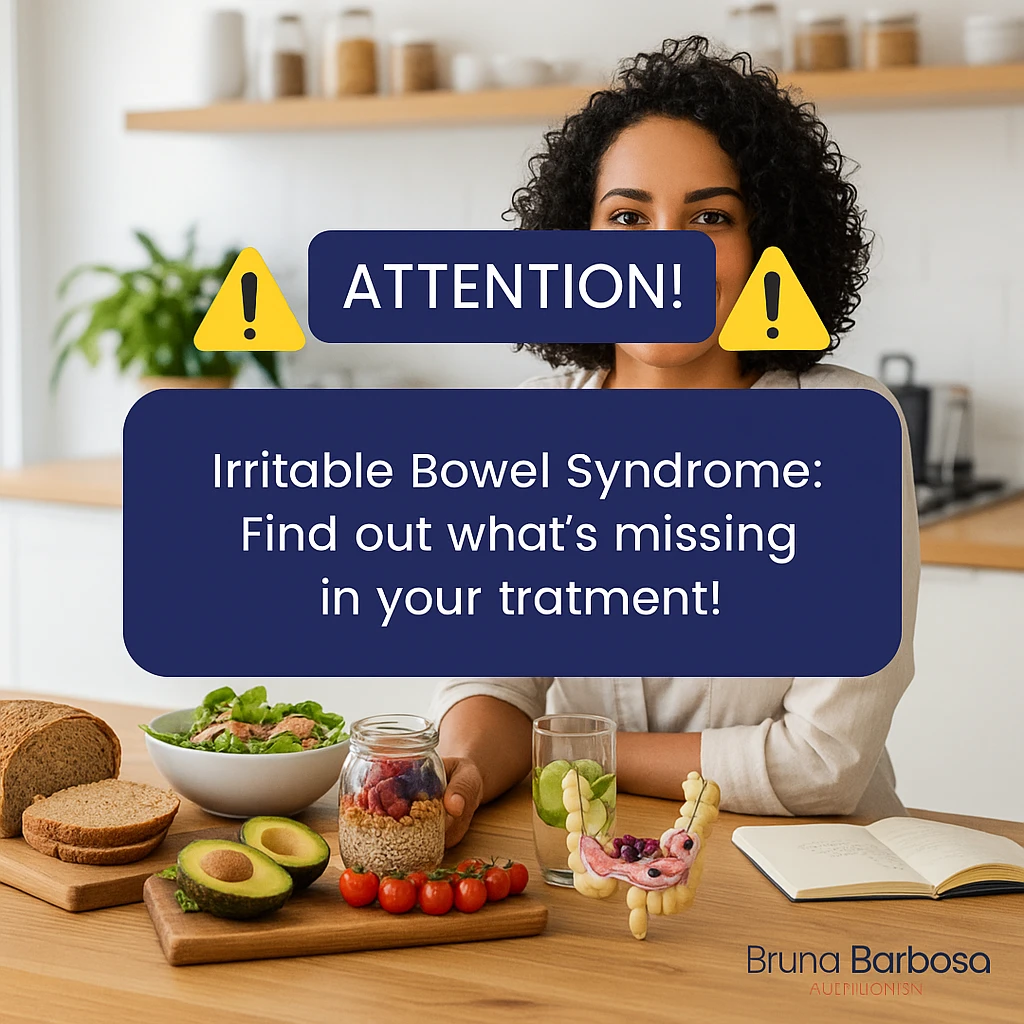
Irritable Bowel Syndrome: What's Missing for Real Improvement?
Irritable bowel syndrome (IBS) is a chronic condition affecting millions of people worldwide. It is characterized by symptoms such as abdominal pain, gas, bloating, constipation, and/or diarrhea. Despite being a functional condition of the gastrointestinal tract, many people report that even following a strict dietary plan, they cannot completely improve their symptoms. This happens because IBS is not only related to diet but involves other factors that need to be treated in an integrated way.
In short: Diet alone often isn't enough to control IBS — the gut-brain axis, emotional health, and gut microbiota balance all play a role too. Combining dietary strategies like the low-FODMAP diet with stress management and professional support gives much better, more lasting results.
Why Diet Alone Isn't Enough?
Although diet plays a crucial role in managing irritable bowel syndrome, it is not sufficient to treat all aspects of the condition. This is because IBS is influenced by several factors, including the gut-brain axis, imbalances in the gut microbiota, and the patient's emotional health. If these areas are not addressed, symptom relief will be limited.
The Role of Emotions in Irritable Bowel Syndrome 🌟
Emotions and stress have a direct impact on bowel function. The gut-brain axis is a bidirectional connection that explains how psychological factors, such as anxiety and depression, can trigger or worsen IBS symptoms. This link reinforces the importance of caring for emotional health as part of treatment.
Practical tip: Practices such as mindfulness, meditation, and cognitive-behavioral therapy have shown positive results in reducing stress and improving IBS symptoms.
How Does the Gut Microbiota Influence IBS? 🌿
Another fundamental aspect in the treatment of irritable bowel syndrome is the gut microbiota. An imbalance in gut bacteria (dysbiosis) can worsen IBS symptoms, causing inflammation, gas, and abdominal discomfort. Probiotics, prebiotics, and dietary changes can help restore the balance of the microbiota, bringing significant relief to patients.
Practical tip: In addition, specific diets, such as the low-FODMAP diet, have proven effective in reducing symptoms associated with IBS, helping to identify foods that trigger flare-ups and improving patients' quality of life.
Other Strategies to Improve IBS 🏋️♀️
In addition to taking care of emotional health and the gut microbiota, other practices can be incorporated into treatment to enhance results:
- Physical activity: Regular exercise helps reduce stress levels and improve bowel transit.
- Adequate hydration: Drinking enough water daily is crucial for keeping the intestines functioning properly.
- Identification of triggers: Discovering which foods worsen symptoms is essential for personalizing treatment.
- Sleep routine: Sleeping well is important for regulating hormones that affect the gut and overall health.
Conclusion
Treating irritable bowel syndrome goes beyond diet. It is necessary to address emotional aspects, care for the gut microbiota, and adopt lifestyle changes. Professional follow-up, including nutritionists and psychologists, is fundamental for effective and personalized treatment.
FAQ
Why doesn't diet alone fix my IBS symptoms?
IBS is also driven by the gut-brain axis and microbiota imbalances, so emotional health and gut bacteria need to be addressed alongside diet.
Does stress make IBS worse?
Yes — the gut-brain axis means anxiety and stress can directly trigger or worsen IBS symptoms; mindfulness and therapy have shown real benefit.
What is the low-FODMAP diet and does it help IBS?
It limits fermentable carbohydrates known to trigger IBS symptoms, and it has been shown to meaningfully reduce flare-ups for many patients.
Who should be involved in treating IBS?
A combined approach with a nutritionist and, when needed, a psychologist tends to produce better, more personalized results than diet alone.
Related Reading

About the Author
Bruna Barbosa — Nutritionist, CRN-DF 16963
Specializing in Functional Nutrition, Phytotherapy, and Digestive Health, Bruna helps people understand their symptoms and transform their health starting from the gut, based on scientific evidence, empathy, and clinical practice. She produces accessible, well-founded content to guide more conscious and sustainable choices.
Learn more about Bruna →