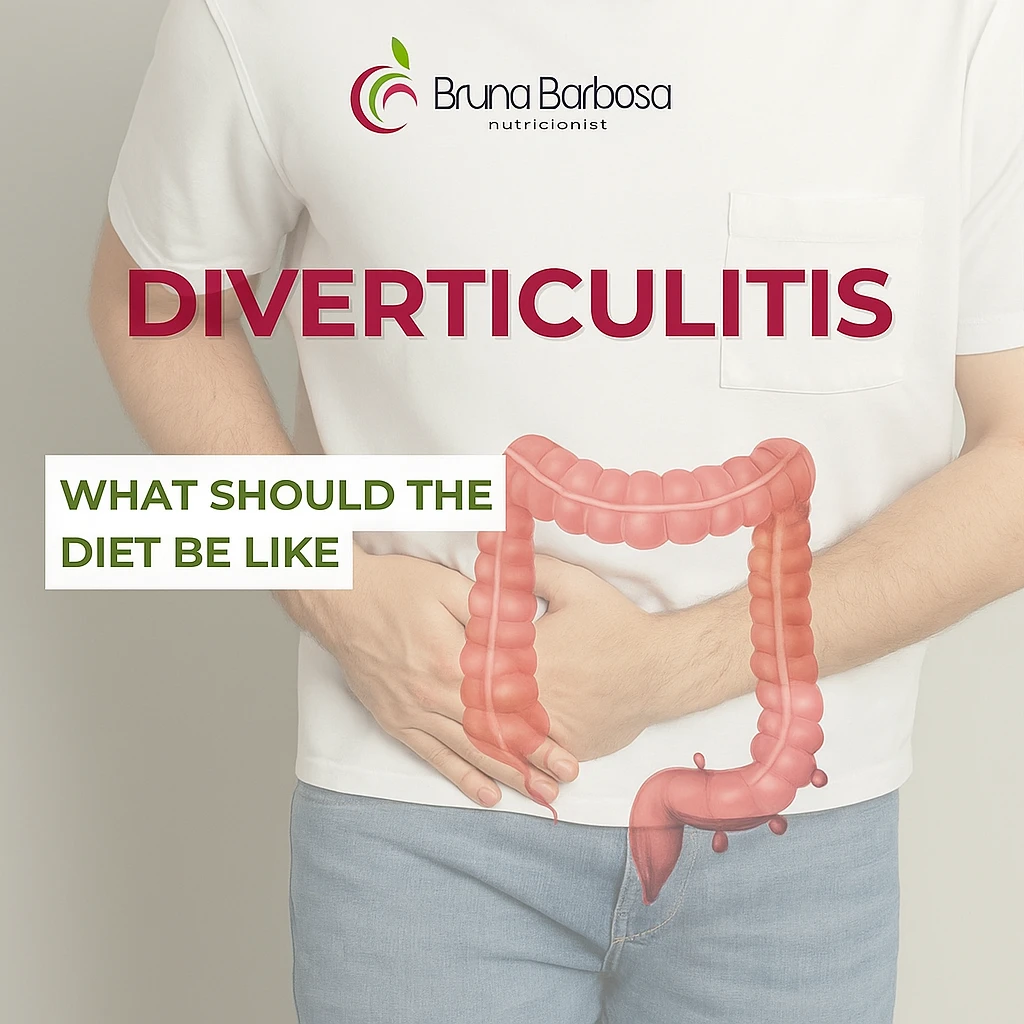
Diverticulitis - What should the diet be like?
Diverticular Disease: Understanding Risk Factors and the Importance of Nutrition 🥗
Throughout life, it is common to develop diverticula (diverticulosis), small pouches that form in the intestinal wall, especially in people with inadequate eating habits and low fiber intake. When these diverticula cause symptoms, we progress to diverticular disease, which requires continuous care and lifestyle changes.
In short: Diverticular disease is closely linked to low fiber intake, a sedentary lifestyle, and excess red meat — so increasing fiber and water, staying active, and in some cases trying plant-based days or a low-FODMAP approach during flare-ups can meaningfully reduce symptoms. Nutritional monitoring helps tailor these changes to each patient's needs.
Risk Factors for Diverticular Disease 🚭
Some of the main risk factors for developing diverticular-related diseases include:
- Smoking: Smoking can increase the risk of inflammation in the digestive tract.
- Sedentary lifestyle: Lack of physical activity impairs intestinal transit.
- Low fiber intake: Diets low in fiber are directly linked to constipation.
- Age: Aging makes the intestinal wall more prone to diverticula formation.
- Excess red meat: This type of protein is associated with increased intestinal inflammation.
- Obesity: Excess weight is linked to a higher risk of diverticular complications.
How Can Nutrition Help? 🥗
Nutritional treatment plays an essential role in both the prevention and management of diverticulitis. Dietary strategies include:
- Reducing consumption of red meat and processed meats, opting for lean proteins such as fish and poultry.
- Consuming at least 35 ml of water per kg of body weight daily to prevent constipation.
- Including fiber in the diet through whole grains, fruits, and fresh vegetables.
- Maintaining a Body Mass Index (BMI) below 30, reducing the risks related to obesity.
- Practicing regular physical activity to stimulate intestinal transit.
- Not ignoring bowel movement reflexes, creating a routine to avoid stool accumulation.
Plant-Based Diet and Low FODMAP Diet 🌱
A valuable suggestion for patients with diverticulitis is to include plant-based days, removing animal-based proteins a few times a week. This contributes to reducing inflammation and improving the intestinal microbiota. In cases of frequent pain, a low FODMAP diet can be an excellent alternative, as it helps reduce discomfort and hypersensitivity in the intestinal tract.
Practical tip: Avoid long periods without bowel movements to prevent the accumulation of feces in the intestine.
The Importance of Nutritional Monitoring 📊
Given this scenario, monitoring by a nutritionist is essential. A professional can adjust the consumption of macronutrients (carbohydrates, proteins, and lipids) and micronutrients (vitamins and minerals), ensuring a balanced diet that meets the patient's specific needs. B vitamins, vitamin D, magnesium, and zinc are some important nutrients for intestinal health.
Practical tip: Add probiotics to your diet, such as natural yogurts and kefir, to strengthen your gut microbiota.
Conclusion
If you are experiencing symptoms related to diverticulitis, or know someone who needs this guidance, this content may be useful. Caring for your gut health is essential for a balanced and discomfort-free life.
FAQ
What foods should I avoid with diverticulitis?
Limit red and processed meats, and avoid long periods without adequate fiber or fluid intake, which contribute to constipation and complications.
Does fiber help or hurt diverticulitis?
Fiber generally helps by preventing constipation and reducing pressure in the colon — though during an acute flare, a temporarily lower-fiber approach may bring relief.
Can diet alone prevent diverticulitis?
Diet is a major risk-reducing factor (fiber, hydration, weight management, activity), but it should be combined with professional monitoring, especially if symptoms recur.
What nutrients matter most for gut health with diverticular disease?
B vitamins, vitamin D, magnesium, and zinc are commonly important, alongside probiotic foods like natural yogurt and kefir.
Related Reading

About the Author
Bruna Barbosa — Nutritionist, CRN-DF 16963
Specializing in Functional Nutrition, Phytotherapy, and Digestive Health, Bruna helps people understand their symptoms and transform their health starting from the gut, based on scientific evidence, empathy, and clinical practice. She produces accessible, well-founded content to guide more conscious and sustainable choices.
Learn more about Bruna →