Functional Nutrition
Low FODMAP Diet: Do you know it?
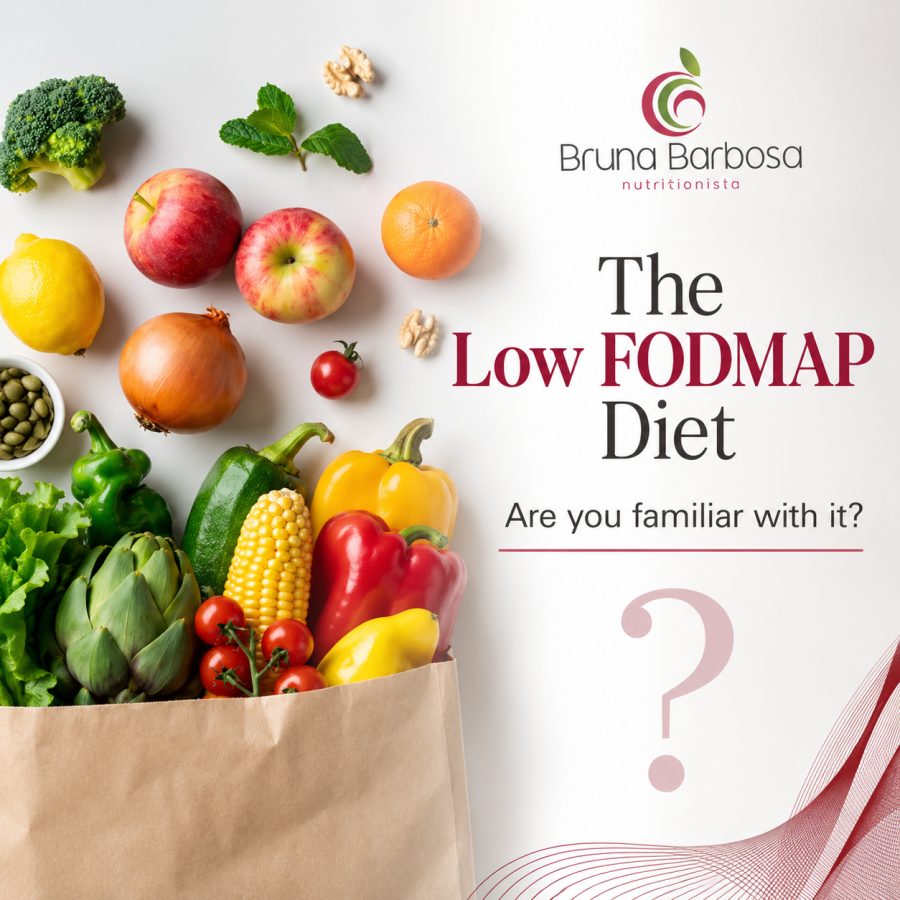
Have you heard about the Low FODMAPs diet? Discover how it can transform your relationship with food!
FODMAPs (oligosaccharides, disaccharides, monosaccharides and polyols) are highly fermentable and poorly absorbed carbohydrates. The intestinal bacteria that ferment these carbohydrates produce gases like methane and hydrogen, which can cause discomfort such as bloating, abdominal pain, diarrhea or constipation.
The Low FODMAP diet is a nutritional protocol developed to reduce these symptoms, helping the patient identify which foods trigger adverse reactions. It is a powerful tool for those seeking relief from gastrointestinal conditions and wishing to improve their quality of life.
Who is it indicated for?
The Low FODMAP diet is mainly indicated for patients suffering from inflammatory bowel diseases and related conditions, such as:
Irritable Bowel Syndrome (IBS): Helps alleviate symptoms like abdominal pain, diarrhea and constipation;
Crohn's Disease: Reduces inflammation and improves digestion;
Ulcerative Colitis: Alleviates discomfort and promotes intestinal balance;
Abdominal distension: Reduces bloating caused by excessive fermentation of carbohydrates;
Food intolerances: Facilitates the identification of specific triggers that impair digestion.
Additionally, it can be a good approach for people who present frequent gastrointestinal symptoms without a specific diagnosis. The diet helps investigate and better understand the organism's needs.
How is it applied?
This protocol should be applied for a short period of time (4 to 8 weeks), since many FODMAP-rich foods are also important for intestinal health.
The process consists of three main stages:
Exclusion: In the first phase, a total exclusion of FODMAP-rich foods, such as onion, garlic, wheat, apple, honey and dairy products, occurs. This stage is essential to alleviate symptoms and give the digestive system a "breath".
Reintroduction: After symptom relief, foods are reintroduced gradually, starting with those with low FODMAP content, followed by those with medium and high FODMAP content. This helps the patient identify which foods are not well tolerated.
Maintenance: With the information obtained in the reintroduction phase, a personalized and balanced diet is created, adapted to the patient's needs and tolerances.
The personalization of the diet is fundamental to ensure that the patient obtains all the necessary nutrients without triggering symptoms. Therefore, the accompaniment of a nutritionist is indispensable for the correct application of the protocol.
Which Foods Are Allowed?
During the exclusion phase, the patient can consume foods with low FODMAP content, such as:
Fruits: Strawberry, melon, orange and grape;
Vegetables: Zucchini, carrot, spinach and lettuce;
Proteins: Lean meats, eggs and tofu;
Grains: Rice, quinoa and oatmeal without gluten;
Beverages: Green tea, coffee (in moderation) and water.
These foods help maintain a balanced diet while symptoms are alleviated.
Benefits of the Low FODMAP Diet
The Low FODMAP diet offers a series of benefits for those suffering from gastrointestinal problems:
Significant reduction of symptoms such as bloating, gases and abdominal pain;
Improvement in quality of life and disposition;
Greater control over food and triggers that cause discomfort;
Strengthening of intestinal health by reducing inflammation;
Better nutrient absorption and overall balance of the organism.
Is It A Diet For Everyone?
Despite the benefits, the Low FODMAP diet is not indicated for everyone. It should be applied with caution, as the prolonged exclusion of FODMAP-rich foods can compromise the diversity of the intestinal microbiota. Therefore, it is recommended only for those presenting symptoms or specific conditions and always under the guidance of a nutritionist.
The Low FODMAP diet is a nutritional protocol developed to reduce these symptoms, helping the patient identify which foods trigger adverse reactions. It is a powerful tool for those seeking relief from gastrointestinal conditions and wishing to improve their quality of life.
Who is it indicated for?
The Low FODMAP diet is mainly indicated for patients suffering from inflammatory bowel diseases and related conditions, such as:
Irritable Bowel Syndrome (IBS): Helps alleviate symptoms like abdominal pain, diarrhea and constipation;
Crohn's Disease: Reduces inflammation and improves digestion;
Ulcerative Colitis: Alleviates discomfort and promotes intestinal balance;
Abdominal distension: Reduces bloating caused by excessive fermentation of carbohydrates;
Food intolerances: Facilitates the identification of specific triggers that impair digestion.
Additionally, it can be a good approach for people who present frequent gastrointestinal symptoms without a specific diagnosis. The diet helps investigate and better understand the organism's needs.
How is it applied?
This protocol should be applied for a short period of time (4 to 8 weeks), since many FODMAP-rich foods are also important for intestinal health.
The process consists of three main stages:
Exclusion: In the first phase, a total exclusion of FODMAP-rich foods, such as onion, garlic, wheat, apple, honey and dairy products, occurs. This stage is essential to alleviate symptoms and give the digestive system a "breath".
Reintroduction: After symptom relief, foods are reintroduced gradually, starting with those with low FODMAP content, followed by those with medium and high FODMAP content. This helps the patient identify which foods are not well tolerated.
Maintenance: With the information obtained in the reintroduction phase, a personalized and balanced diet is created, adapted to the patient's needs and tolerances.
The personalization of the diet is fundamental to ensure that the patient obtains all the necessary nutrients without triggering symptoms. Therefore, the accompaniment of a nutritionist is indispensable for the correct application of the protocol.
Which Foods Are Allowed?
During the exclusion phase, the patient can consume foods with low FODMAP content, such as:
Fruits: Strawberry, melon, orange and grape;
Vegetables: Zucchini, carrot, spinach and lettuce;
Proteins: Lean meats, eggs and tofu;
Grains: Rice, quinoa and oatmeal without gluten;
Beverages: Green tea, coffee (in moderation) and water.
These foods help maintain a balanced diet while symptoms are alleviated.
Benefits of the Low FODMAP Diet
The Low FODMAP diet offers a series of benefits for those suffering from gastrointestinal problems:
Significant reduction of symptoms such as bloating, gases and abdominal pain;
Improvement in quality of life and disposition;
Greater control over food and triggers that cause discomfort;
Strengthening of intestinal health by reducing inflammation;
Better nutrient absorption and overall balance of the organism.
Is It A Diet For Everyone?
Despite the benefits, the Low FODMAP diet is not indicated for everyone. It should be applied with caution, as the prolonged exclusion of FODMAP-rich foods can compromise the diversity of the intestinal microbiota. Therefore, it is recommended only for those presenting symptoms or specific conditions and always under the guidance of a nutritionist.

About the Author
Bruna Barbosa — Nutritionist, CRN-DF 16963
Specializing in Functional Nutrition, Phytotherapy, and Digestive Health, Bruna helps people understand their symptoms and transform their health starting from the gut, based on scientific evidence, empathy, and clinical practice. She produces accessible, well-founded content to guide more conscious and sustainable choices.
Learn more about Bruna →