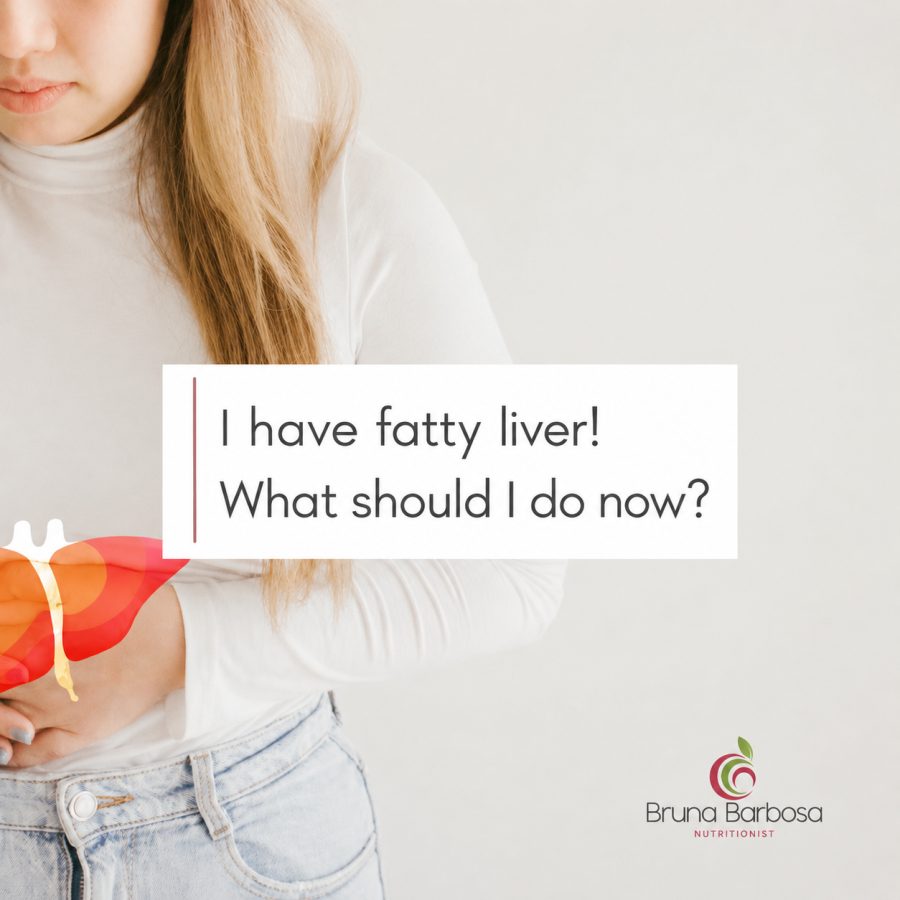
I Have Fatty Liver, What Should I Do Now?
How to Treat Fatty Liver?
If you've been diagnosed with fatty liver, know that you're not alone. Hepatic steatosis, or fatty liver, is a condition that affects many people and can be caused by several factors, such as obesity, a sedentary lifestyle, poor diet, and even conditions like diabetes. The good news is that this condition can be reversed and treated through proper nutrition and lifestyle changes.
What Is Hepatic Steatosis?
Hepatic steatosis is the excessive buildup of fat in the liver, which can be alcoholic or non-alcoholic. Most of the time, this condition has no symptoms, but it can progress to more serious problems if not properly treated. Many people only discover they have fatty liver during routine exams, like ultrasounds.
Main Causes of Fatty Liver
- Overweight and Obesity: Excess body fat directly contributes to fat buildup in the liver.
- Diabetes: Insulin resistance can lead to increased fat deposits in the liver.
- Poor Diet: Diets high in sugar, saturated fat, and ultra-processed foods are major culprits.
- Sedentary Lifestyle: Lack of physical activity prevents the body from properly using energy stored as fat.
Why Is Fatty Liver Dangerous?
If left untreated, fatty liver can progress to serious complications such as:
- Steatohepatitis: Inflammation of the liver, which can progress to a more severe condition, causing damage and fibrosis.
- Liver Cirrhosis: A more advanced condition that can lead to liver failure, sometimes requiring a transplant.
- Liver Cancer: In extreme cases, fatty liver can increase the risk of cancer.
How to Treat Hepatic Steatosis?
Effective treatment involves lifestyle changes, and nutrition plays a key role. Physical activity helps burn excess fat and improves insulin sensitivity. Proper hydration is also essential, as it supports liver function and helps eliminate toxins.
Meal Plan to Reduce Fatty Liver
The meal plan should be anti-inflammatory, with calorie restriction, but without being overly restrictive. Extreme diets can worsen steatosis.
- Include Nuts, Seeds, Olive Oil, and Omega-3: These foods have anti-inflammatory properties.
- Reduce Animal-Based Fats: Especially red meat. Choose lean meats like chicken and fish instead.
- Increase Fiber Intake: Found in fruits, vegetables, and whole grains, fiber supports digestion and satiety.
- Control Simple Carbohydrates: Avoid ultra-processed foods, especially those high in industrial fructose.
Are Fruits the Enemy?
Unlike ultra-processed foods, eating fruit in moderation is beneficial for your health. However, concentrated juices should be avoided. Choose whole fruit instead, which keeps the fiber and nutrients intact.
Important Nutrients in the Fight Against Fatty Liver
- Vitamin D: Supports liver health and fat metabolism.
- Omega-3: Reduces inflammation and helps control fat levels in the liver.
- Choline: Important for fat transport and metabolism in the liver.
- Quercetin: An antioxidant that helps reduce liver inflammation.
Count on Professional Support
Beyond diet, improving your lifestyle as a whole is essential to treating hepatic steatosis. See a nutritionist to personalize your treatment, guaranteeing you get all the nutrients you need. Don't put off caring for your health! Take care of your liver today and prevent future problems.
Related Reading

About the Author
Bruna Barbosa — Nutritionist, CRN-DF 16963
Specializing in Functional Nutrition, Phytotherapy, and Digestive Health, Bruna helps people understand their symptoms and transform their health starting from the gut, based on scientific evidence, empathy, and clinical practice. She produces accessible, well-founded content to guide more conscious and sustainable choices.
Learn more about Bruna →