Gastrointestinal Symptoms: Tired of Constant Discomfort?
Let's Solve This Together!
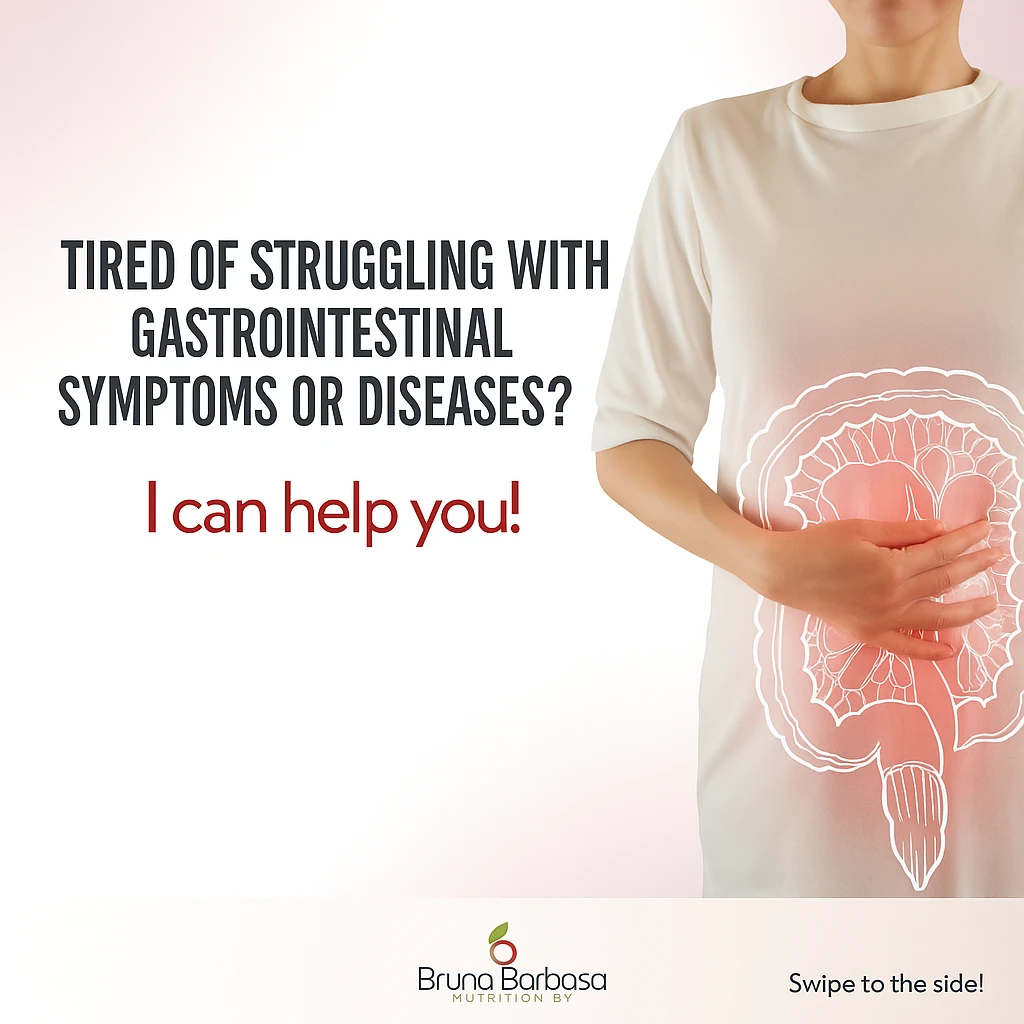
Gastrointestinal symptoms, such as gas, bloating, abdominal pain, and indigestion, can significantly impact your quality of life. These conditions often cause constant discomfort, limiting your daily activities, social interactions, and even your self-esteem. However, the good news is that these symptoms can be treated with the right nutritional guidance, tailored to your needs.
In short: Persistent gas, bloating, and abdominal pain are often signs of dysbiosis, food intolerances, or irritable bowel syndrome — not something to just live with. A personalized plan combining dietary adjustments, phytotherapy, and microbiota support (probiotics and prebiotics) can bring real, lasting relief.
Why Seek Help for Gastrointestinal Symptoms?
Gastrointestinal symptoms should not be ignored, as they may indicate more complex problems, such as dysbiosis, food intolerances, irritable bowel syndrome, or inflammatory diseases. Furthermore, when left untreated, these symptoms can evolve into chronic conditions, further compromising your overall health.
Personalized and Functional Approach 🌟
My methodology combines functional nutrition, phytotherapy, and a holistic view of your health. By analyzing signs, symptoms, and daily habits, we can build a plan that goes beyond simply "cutting out foods." Each recommendation is designed to meet your specific needs, ensuring you see real and lasting results. Thus, your relationship with food becomes an ally in overcoming gastrointestinal symptoms.
Nutritional Solutions for Gastrointestinal Symptoms 🥗
There are several strategies we can adopt to combat gastrointestinal symptoms:
- Dietary adjustment: We include foods rich in prebiotic fibers, which nourish the gut microbiota and help regulate intestinal transit.
- Identification of sensitivities: Discover possible intolerances, such as lactose or gluten, that may be aggravating symptoms.
- Phytotherapy: Use of teas and herbs such as ginger, mint, and chamomile to relieve symptoms of bloating and indigestion.
- Microbiota balance: We introduce probiotics and prebiotics to strengthen the gut and combat dysbiosis.
Additional Tips to Relieve Gastrointestinal Symptoms 🌿
In addition to the strategies mentioned, it is essential to adopt habits that help maintain intestinal health:
- Avoid processed foods and those high in saturated fats, which can increase intestinal inflammation.
- Maintain adequate hydration, consuming at least 2 liters of water per day to facilitate intestinal transit.
- Include natural sources of antioxidants, such as red fruits and dark green vegetables, to combat free radicals and strengthen the immune system.
- Establish regular meal times, avoiding long periods of fasting, which can trigger digestive discomfort.
Practical tip: Keep a food diary to record your symptoms and identify possible triggers.
Emotional Impact of Gastrointestinal Symptoms 🧘
In addition to physical discomfort, gastrointestinal symptoms can significantly affect mental and emotional health. Constant discomfort can lead to anxiety, stress, and even depression in more severe cases. Therefore, it's essential to care for both body and mind when treating these conditions. Strategies such as breathing techniques, meditation, and physical exercise can also contribute to symptom relief.
Conclusion
Don't let gastrointestinal symptoms limit your life. Find effective solutions and personalize your nutritional journey. I'm here to support you every step of the way, whether identifying causes or implementing changes that truly work for you. Together, we can transform your gut health and achieve the well-being you deserve.
FAQ
What causes chronic gastrointestinal discomfort?
Common causes include gut dysbiosis, undiagnosed food intolerances (like lactose or gluten), irritable bowel syndrome, and inflammatory conditions.
Can herbal teas help with bloating and indigestion?
Yes — ginger, mint, and chamomile are commonly used to relieve bloating and support digestion alongside dietary changes.
Is stress linked to gastrointestinal symptoms?
Yes — constant gut discomfort can trigger anxiety, and in turn, stress can worsen digestive symptoms, so addressing both matters.
Should I keep a food diary for gastrointestinal symptoms?
Yes — tracking what you eat alongside your symptoms is one of the most effective ways to identify personal triggers.
Related Reading
- Irritable Bowel Syndrome: Discover What's Missing from Your Treatment
- Your Gut Can't Live with Uncertainty: Learn How to Take Care of It
- How to Relieve Gastrointestinal Problems with a Personalized Plan
- Gastrointestinal Health: Meet the 6R Program
- Leaky Gut Symptoms: How Gut Health Can Transform Your Life
- What symptoms do you experience and consider normal?

About the Author
Bruna Barbosa — Nutritionist, CRN-DF 16963
Specializing in Functional Nutrition, Phytotherapy, and Digestive Health, Bruna helps people understand their symptoms and transform their health starting from the gut, based on scientific evidence, empathy, and clinical practice. She produces accessible, well-founded content to guide more conscious and sustainable choices.
Learn more about Bruna →